If Your Grinding Wheels Are Burning, the Problem May Not Be Your Process
If your grinding wheels are burning the workpiece, wearing too fast, or losing cutting ability, the problem may not be your machine or bond system.
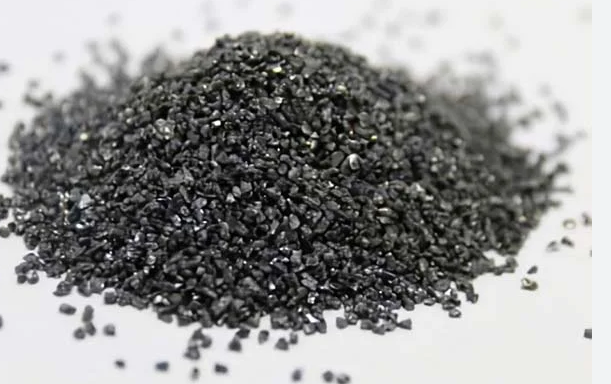
In many cases, the real issue is: your Black Silicon Carbide F46 is not as consistent as it looks on paper.
For many buyers sourcing black silicon carbide F46 for grinding wheels, this is one of the most common yet overlooked risks.
How to Tell If SiC F46 Is the Real Problem
Before adjusting your process, check whether your silicon carbide abrasive is causing:
- Burn marks on the workpiece surface
- Grinding temperature increases unexpectedly
- Grinding wheel wears faster than normal
- Increased power consumption
- Batch-to-batch performance variation
If these issues appear, your SiC F46 quality consistency should be investigated first.
The 5 Real Reasons Behind Grinding Wheel Burning
Most suppliers claim stable quality, but in reality, these are the key factors affecting grinding wheel performance when using silicon carbide abrasives:
1. Low Friability (A Critical Factor in SiC Performance)
High-quality black silicon carbide for grinding wheels should have proper friability:
- Grains fracture under pressure
- New sharp edges are continuously exposed
If friability is too low:
- Abrasive grains become dull
- Friction increases
- Grinding temperature rises → burning occurs
2. Abnormal Particle Shape (Hidden Performance Killer)
Even when PSD meets FEPA standards, particle shape affects real application:
- Flat or elongated particles → reduced cutting ability
- Blocky particles → lower sharpness
This leads to:
- More rubbing instead of cutting
- Heat accumulation in grinding
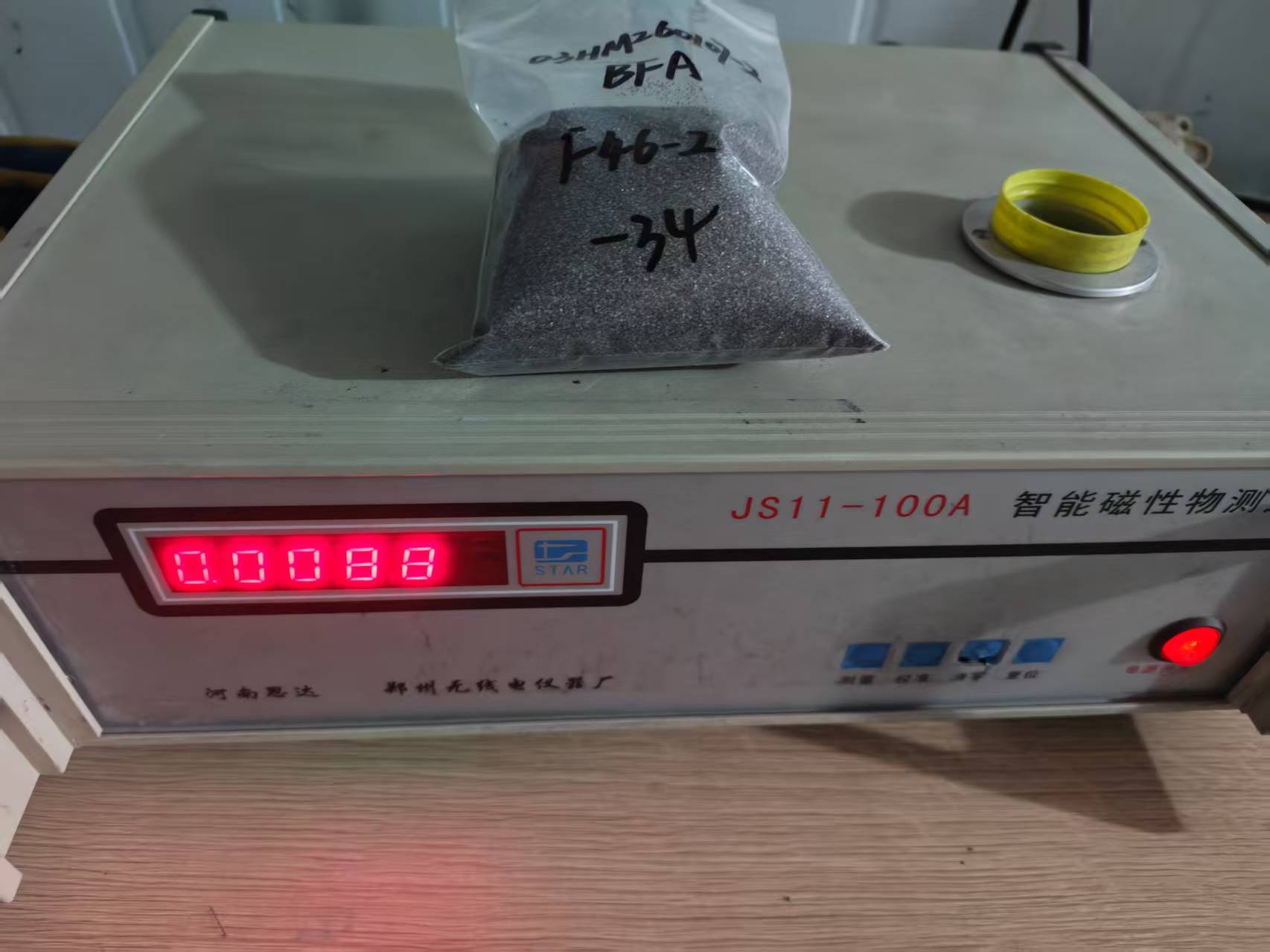
3. High Magnetic Content / Iron Contamination
Poor magnetic separation in silicon carbide production can leave iron residues:
- Iron particles generate heat instead of cutting
- Increase risk of surface burning
This directly affects:
- Grinding efficiency
- Workpiece quality
- Wheel lifespan
👉 (How Magnetic Content Affects SiC Performance)
4. Unstable Bulk Density (A Major Cause of Inconsistency)
Bulk density variation in SiC F46 leads to:
- Different packing structures in grinding wheels
- Uneven abrasive distribution
Resulting in:
- Unstable cutting performance
- Fluctuating grinding temperatures
👉 ( Why Bulk Density of Silicon Carbide Is Unstable)
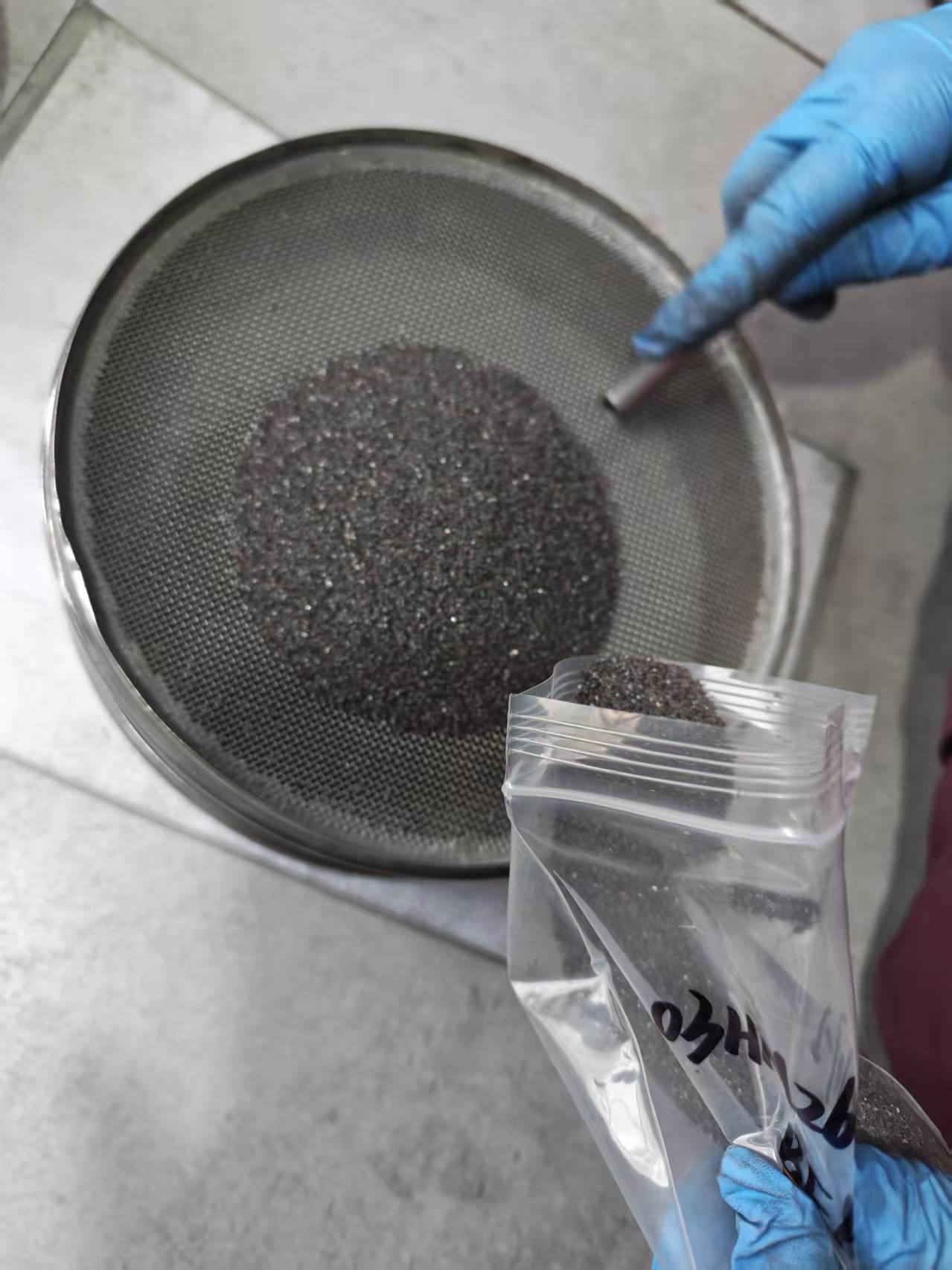
5. Poor Classification Accuracy (PSD Is Not Enough)
Even if labeled as F46 silicon carbide grit, classification quality matters:
- Excess fines → clogging and overheating
- Oversized particles → unstable grinding
👉 This explains why:
Two F46 products can perform completely differently in real applications
What Most Buyers Don’t Realize About SiC Suppliers
When sourcing silicon carbide abrasives from China, buyers often overlook:
- Batch mixing to control cost
- Reduced processing steps
- Focus on PSD compliance only
That’s why:
The specification looks correct, but real grinding performance fails
How to Fix Grinding Wheel Burning Caused by SiC F46
Here are practical steps when sourcing black silicon carbide for grinding wheels:
1. Request Friability Information
Ask suppliers:
- How grains fracture under pressure
- Application suitability
2. Verify Magnetic Content
Request:
- Magnetic content (%)
- Magnetic separation process
3. Specify Bulk Density Range
Instead of a single value:
- Example: 1.53–1.57 g/cm³
This ensures better batch consistency
4. Test Multiple Batches Before Bulk Orders
Evaluate:
- Grinding efficiency
- Heat generation
- Wheel wear rate
Consistency is more important than peak performance.
5. Choose Suppliers with Full Process Control
Reliable silicon carbide manufacturers usually:
- Control raw material sourcing
- Maintain stable crushing systems
- Use precise classification
A Quick Supplier Evaluation Checklist
Before placing bulk orders, confirm:
- Can the supplier explain friability?
- Do they provide magnetic content data?
- Do they show batch consistency reports?
If not, you are taking a risk in your grinding process.
Final Takeaway: Material Consistency = Process Stability
Grinding wheel burning is often not a process issue, but a material consistency problem.
When selecting black silicon carbide F46 for grinding wheels, focus on:
- Friability
- Particle shape
- Magnetic content
- Bulk density stability
Because:
👉 No process adjustment can fix inconsistent abrasive quality
Need Technical Support or Sample Comparison?
If you are facing grinding issues or evaluating SiC F46 suppliers, it is recommended to compare multiple batches and test real performance.
We can also provide:
- Batch comparison data
- Application-based testing feedback
- Technical suggestions based on your grinding process