
In the first half of 2026, China’s exports of brown fused alumina declined in both volume and value, diverging from the export growth seen in white fused alumina and silicon carbide.
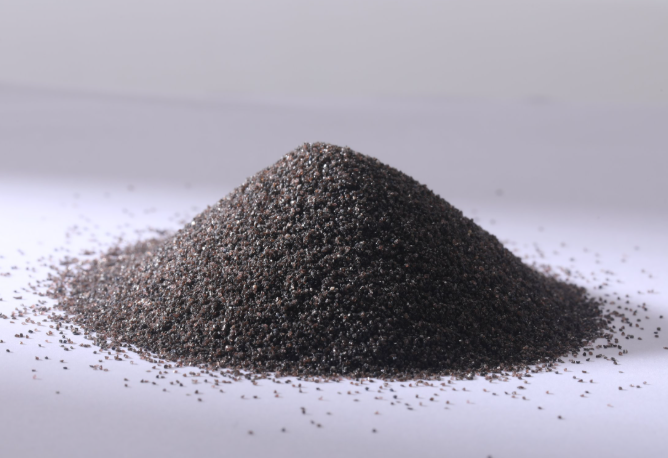
Industry statistics released on August 6 showed that China exported 205,800 metric tons of brown fused alumina in the first half of the year, down 8.39% year on year. Export value reached USD 133 million, down 11.04%. Based on the published figures, the average export price was approximately USD 646/MT, about 3% lower than roughly USD 666/MT in the same period last year.
Monthly data showed a further slowdown in June. China exported 33,033.80 MT of brown fused alumina in June, down 5.51% from 34,959.52 MT in June 2025 and down 22.02% from 42,359.31 MT in May 2026. The combination of a first-half decline and a sharp month-on-month drop in June suggests that pressure on brown fused alumina exports came not only from lower transaction prices, but also from weaker overseas order flows and reduced shipment volumes.
Other major abrasive products showed different trends during the same period. White fused alumina exports reached 249,700 MT, up 13.05% year on year, while export value fell 2.44% to USD 181 million. Silicon carbide exports reached 205,700 MT, up 24.92%, with export value increasing 13.24% to USD 169 million.
Based on the published volume and value figures, the average export price of white fused alumina was approximately USD 725/MT, down about 13.8% year on year, while silicon carbide averaged around USD 822/MT, down about 9.3%. Although both products recorded higher export volumes, growth in export value lagged significantly behind volume growth, indicating that price competition in the international market remained intense.
Exports of abrasive tools reached 187,400 MT in the first half of the year, up 2.97% year on year, while export value declined 5.54% to USD 482 million. The average export price was approximately USD 2,572/MT, down about 8.3% year on year.
This creates a relatively clear picture of the industry. In the primary abrasive materials market, brown fused alumina experienced declines in both export volume and value. White fused alumina and silicon carbide maintained market scale through higher export volumes, while abrasive tools showed a pattern of “higher volume but lower value.” Overall export volumes have not weakened across the board, but unit export revenues for most product categories remain on a downward trend.
China’s brown fused alumina supply base is closely tied to domestic high-alumina bauxite resources, electricity costs, and smelting capacity. The pace of export recovery also depends on overseas demand from industries such as steel, foundry, sandblasting, and refractory materials.
The first-half data indicate that brown fused alumina did not follow white fused alumina and silicon carbide in achieving export volume growth, while its pricing resilience was also weaker than would be expected under a simple supply-contraction scenario. In the short term, the key market trend is the simultaneous slowdown in overseas demand and decline in international transaction prices for abrasive materials. Competition in the industry is therefore shifting from volume alone toward competition in unit value as well.


