Silicon carbide abrasive prices vary mainly due to electricity cost, raw material quality, production technology, and supply-demand conditions. Even if products share the same grit size, differences in purity and processing can lead to significant price gaps.
Prices are not random—they reflect real production and logistics cost structures.
Why Does This Problem Trouble International Buyers?
Because buyers often receive similar specifications but very different quotations, making supplier comparison difficult and risky.
Key challenges include:
- Same grit, different performance
- Unstable batch consistency
- Unexpected price increases
- Supply delays during peak demand
This creates uncertainty in long-term procurement planning.
What Are the Common Misunderstandings in the Silicon Carbide Market?
The biggest misunderstanding is that all silicon carbide with the same grade has the same quality and value.
Common misconceptions:
- Low price = better deal (often false)
- All F grit sizes perform the same (incorrect)
- Price changes are random (actually cost-driven)
In reality, purity, particle distribution, and production control determine real performance.
What Is Silicon Carbide Abrasive?
Silicon carbide abrasive is a synthetic hard material made from silica sand and petroleum coke in high-temperature electric furnaces.
It is widely used for:
- Grinding and cutting
- Sandblasting
- Refractory production
- Ceramic processing
Types:
| Type | Feature | Application |
| Black SiC | Cost-effective, tougher | General industrial use |
| Green SiC | Higher purity, sharper | Precision applications |
Why Is Electricity Cost the Biggest Price Driver?
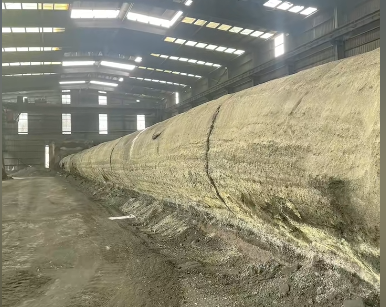
Because silicon carbide production requires continuous high-temperature electric furnace operation, making electricity the largest cost component.
Electricity affects:
- Furnace operation stability
- Output volume
- Production cost per ton
- Seasonal supply availability
When electricity prices rise, silicon carbide prices increase quickly.
How Do Raw Material Costs Affect Prices?
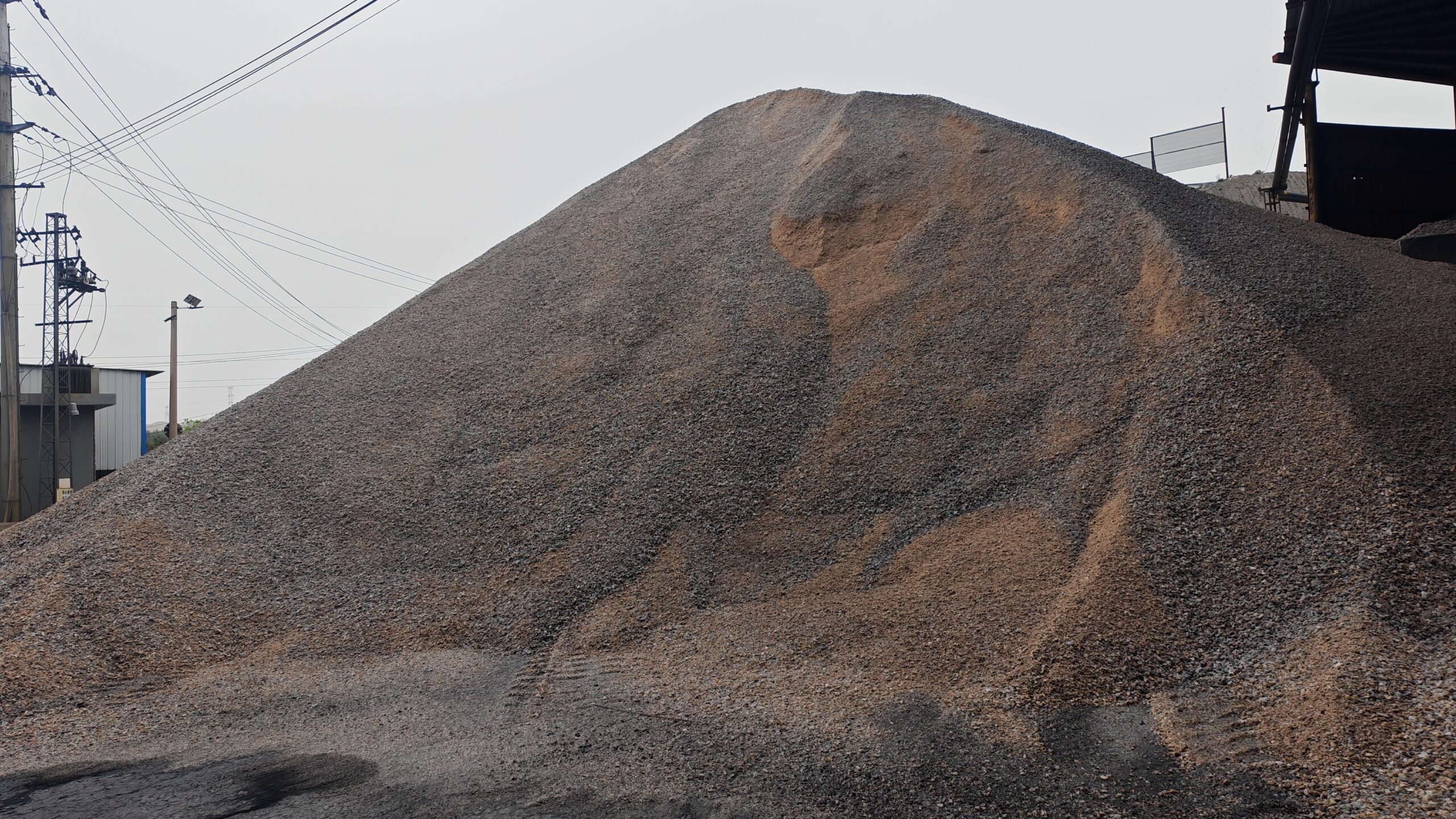
Raw materials such as petroleum coke and silica sand directly determine production cost and final pricing.
Cost structure:
| Cost Component | Share |
| Electricity | 35%–45% |
| Petroleum coke | 25%–30% |
| Silica sand | 10%–15% |
| Labor & processing | 10%–15% |
| Logistics & packaging | 5%–10% |
Even small raw material increases can significantly affect export pricing.
How Does Purity Affect Silicon Carbide Price?
Higher purity silicon carbide requires more refining steps, stricter separation, and better raw materials, resulting in higher cost.
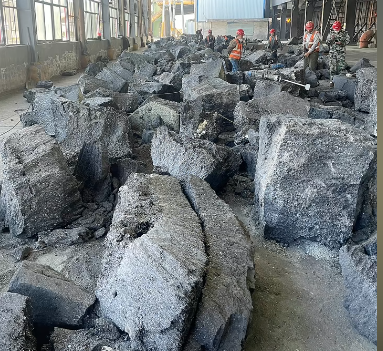
Higher purity means:
- Lower impurity content
- Better performance stability
- Higher production loss during processing
- More precise quality control
How Does Grit Size Affect Pricing?
Smaller and more uniform particle sizes require more processing steps and stricter classification, increasing production cost.
Price ranking:
Micro powder > Fine grit > Macro grit
Reason:
- More screening stages
- Higher precision equipment
- Lower yield rate
Why Do Environmental Regulations Affect Supply?
Environmental inspections can temporarily reduce furnace operation, directly limiting production capacity.
Impact includes:
- Temporary shutdowns
- Reduced output
- Tightened supply
- Short-term price increases
How Does Logistics Affect Final Cost?
Freight cost and container availability directly impact the landed cost of silicon carbide abrasives.
Key factors:
- Ocean freight volatility
- Port congestion
- Container shortages
- Shipping delays
What Drives Global Demand for Silicon Carbide?
Demand is driven by industrial manufacturing activity, especially in abrasives, refractories, ceramics, and automotive industries.
Main drivers:
- Industrial production growth
- Infrastructure demand
- Semiconductor expansion
- Surface treatment industries
How Do Buyers Reduce Procurement Risk?
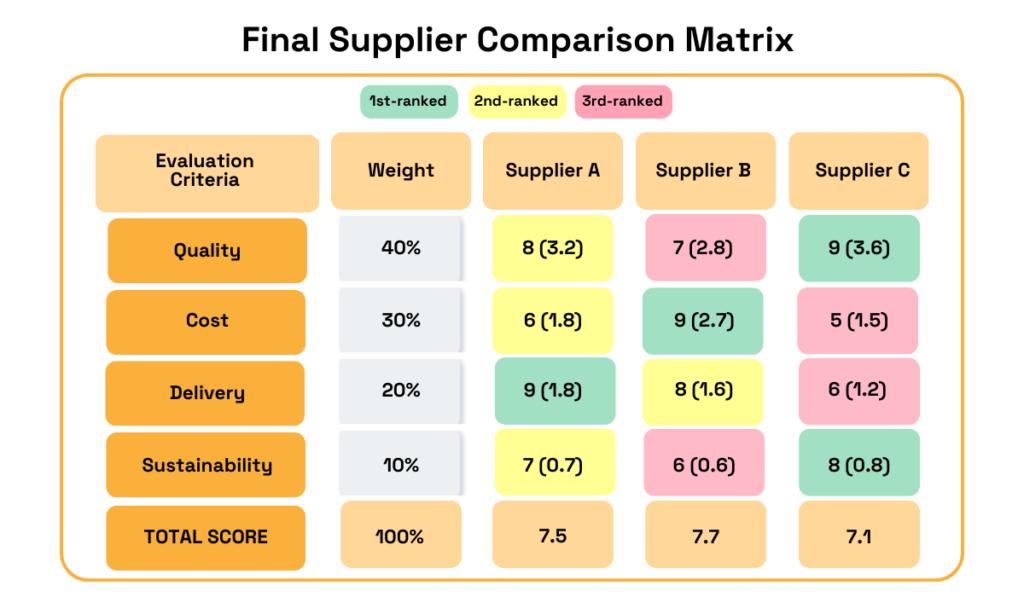
Buyers reduce risk by focusing on supplier stability, not just price.
Best practices:
- Long-term supplier cooperation
- Multi-shipment planning
- Quality inspection systems
- Safety stock management
How Should Buyers Choose a Reliable Supplier?
A reliable silicon carbide supplier should ensure stable quality, consistent supply, and strong export experience.
Key criteria:
- Batch-to-batch consistency
- Export documentation capability
- Technical support availability
- Stable production system
Conclusion
Silicon carbide abrasive prices are determined by real production costs, not arbitrary pricing.
Main drivers:
- Electricity cost
- Raw materials
- Purity and processing level
- Logistics
- Market demand
For global buyers, the key decision is not the lowest price, but the most stable long-term supply.