Why Does This Question Keep Confusing Buyers Like You?
For many overseas buyers, choosing between Air‑Washed and Water‑Washed Black Silicon Carbide seems simple on the surface — yet it directly affects cost, performance, impurity levels, grinding stability, and customer satisfaction.
The confusion usually comes from:
- Different suppliers giving inconsistent explanations
- Misunderstanding between “water washing” and “acid washing”
- Significant price differences without transparent reasons
- Different applications requiring different cleanliness and iron content levels
This leads many buyers to ask: “Which one should I choose? Is the more expensive option really better?”
This article uses data, tables, and technical logic to help you make the right decision.
Are You Sure You Understand What Air‑Washed and Water‑Washed Silicon Carbide Really Mean?
1. What Is Air‑Washed vs Water‑Washed Silicon Carbide?
Air‑Washed Black SiC
Air washing uses airflow separation to remove dust and ultra‑fine particles. It is a dry, low‑cost, high‑efficiency process.
Key characteristics:
- Removes loose dust only
- Does not remove adhered impurities (Fe, oxides, carbon)
- Suitable for general grinding and blasting
- Lowest production cost
Water‑Washed Black SiC
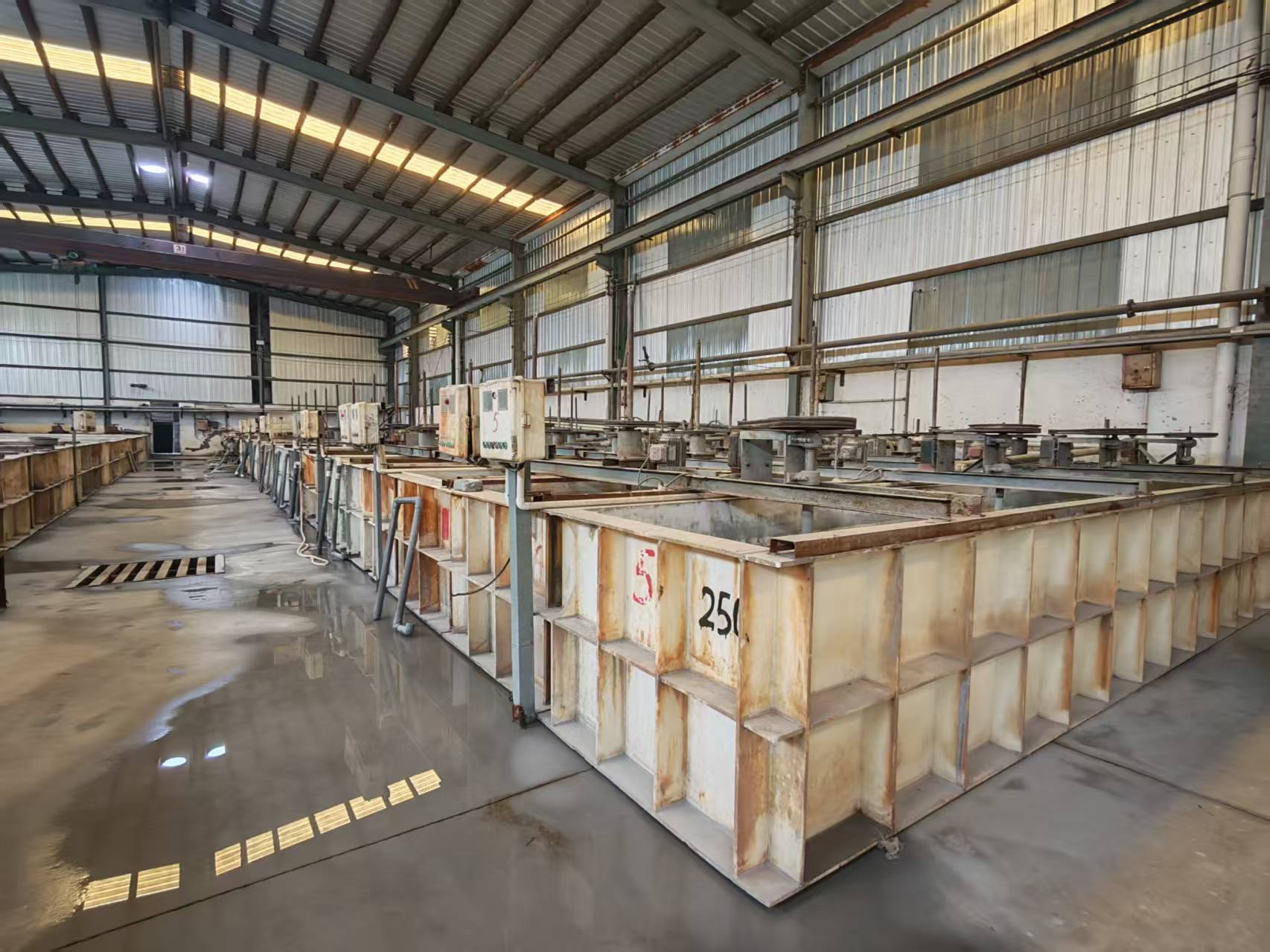
Water washing uses water rinsing, sedimentation, and drying to remove dust, soluble impurities, and surface contaminants. In micro‑powder production, it is often combined with acid washing to reduce iron content.
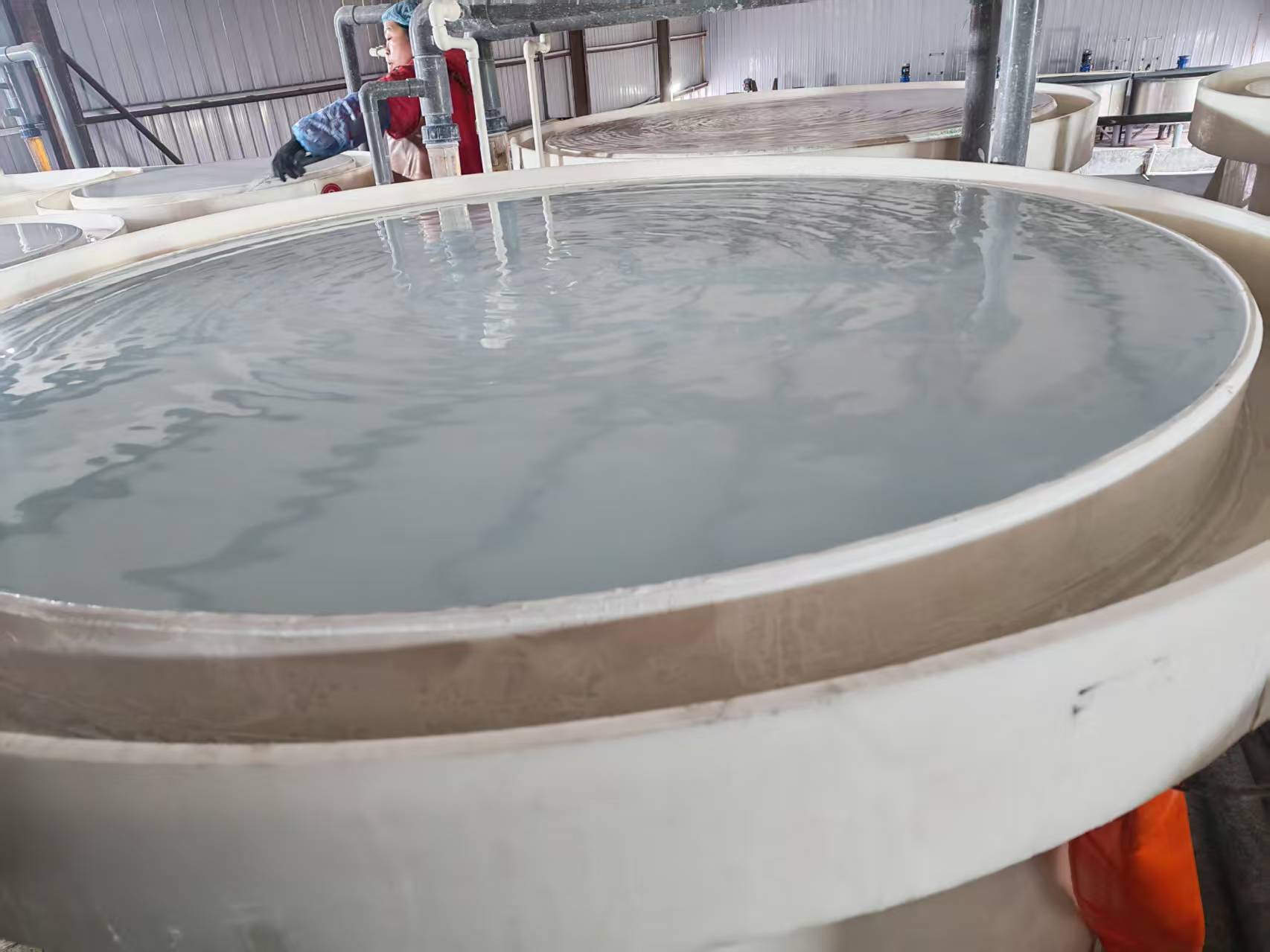
Key characteristics:
- Cleaner surface
- Lower iron content
- More stable performance
- Higher processing cost
Are You Falling Into These Common Market Misunderstandings?
| Common Misunderstanding | Reality |
| “Water washing is the same as acid washing.” | Water washing ≠ acid washing; acid washing is an additional step for iron removal. |
| “Water‑washed SiC is harder.” | Washing does not change SiC crystal structure; hardness remains the same. |
| “Cheap air‑washed and water‑washed are almost the same.” | In precision grinding and polishing, the difference is huge. |
| “Water washing only makes it cleaner.” | It affects stability, iron content, and cutting consistency. |
These misunderstandings often lead to incorrect purchasing decisions.
Do You Know the Real Technical Reasons Behind the Differences?
1. Impurity Removal Mechanism
- Air washing: Removes only loose dust; cannot remove adhered impurities
- Water washing: Removes water‑soluble impurities, mud powder, oxides
- Acid washing: Dissolves iron and iron oxides, reducing Fe content by 88–93%
2. Why Water‑Washed SiC Performs Better
- Fewer impurities → fewer scratches
- Cleaner grains → more stable cutting
- More uniform particle size → more consistent grinding results
3. Why Air‑Washed Is Cheaper
- Simpler process
- No water treatment
- No drying
- No acid washing equipment

Are You Comparing the Real Cost vs Performance Differences?
Cost Comparison
| Cost Factor | Air‑Washed SiC | Water‑Washed SiC |
| Processing steps | Air separation only | Water washing + drying (optional acid wash) |
| Production cost | Lowest | Higher |
| Price difference | 5–15% cheaper | Higher due to extra processing |
| Environmental cost | Low | Higher (wastewater treatment required) |
| Energy consumption | Low | Medium–High |
Cleanliness & Impurity Level Comparison
| Impurity Type | Air‑Washed | Water‑Washed |
| Dust & fines | Partial removal | Thorough removal |
| Iron impurities | Mostly remain | Significantly reduced (acid wash removes 88–93%) |
| Surface contaminants | Moderate | Low |
| Magnetic impurities | Higher | Lower |
| Particle uniformity | Medium | High |
Performance Comparison in Real Applications
| Application | Air‑Washed SiC | Water‑Washed SiC |
| Coarse grinding | Good | Very good |
| Precision grinding | Moderate | Excellent |
| Lapping & polishing | Not recommended | Recommended |
| Sandblasting | Good | Very good (less dust) |
| Refractory use | Suitable | Suitable |
| PSD consistency | Medium | High |
| Tool wear | Higher | Lower |
How Do We Control Quality and Ensure Stable Performance?
As a professional SiC manufacturer and exporter, we implement strict production and quality control systems:
1. Dual‑Stage Classification
- Primary air classification
- Secondary precision classification Ensures stable particle size distribution with minimal deviation.
2. Optional Water Washing / Acid Washing
- Water washing removes mud powder and oxides
- Acid washing reduces iron content
- Neutralization and drying prevent particle agglomeration
3. Full‑Process Testing
- Fe content testing
- Magnetic impurity testing
- Laser PSD analysis
- LOI (Loss on Ignition) testing
4. Export‑Grade Packaging
- Moisture‑proof
- Dust‑proof
- Anti‑static
Ensures stability during long‑distance transportation.
Which Type of Silicon Carbide Is Right for You?
Air‑Washed SiC Is Suitable For:
- Price‑sensitive markets
- Coarse grinding, deburring, sandblasting
- Applications with low iron‑content requirements
- High‑volume, low‑cost usage
Air‑Washed SiC Is NOT Suitable For:
- Precision grinding
- High‑end polishing
- Applications requiring high surface quality
Water‑Washed SiC Is Suitable For:
- Precision grinding
- Polishing and lapping slurry
- Low‑iron applications
- High‑consistency, high‑stability requirements
Water‑Washed SiC Is NOT Suitable For:
- Extremely price‑sensitive markets
- Low‑cleanliness, coarse‑processing applications
Ready to Choose the Right Silicon Carbide for Your Application?
Whether you need cost‑effective Air‑Washed SiC or high‑performance Water‑Washed SiC, we can provide the best solution based on your application, budget, and market positioning.
You can request:
- Free samples
- Technical Data Sheets (TDS)
- Pricing proposals
- OEM / ODM support
Let your procurement decisions become easier and more reliable.
If you want, I can also prepare:
- Meta Title & Meta Description
- SEO‑optimized image ALT text
- LinkedIn promotional copy
- A downloadable English product brochure
Tell me what you’d like next.