Introduction
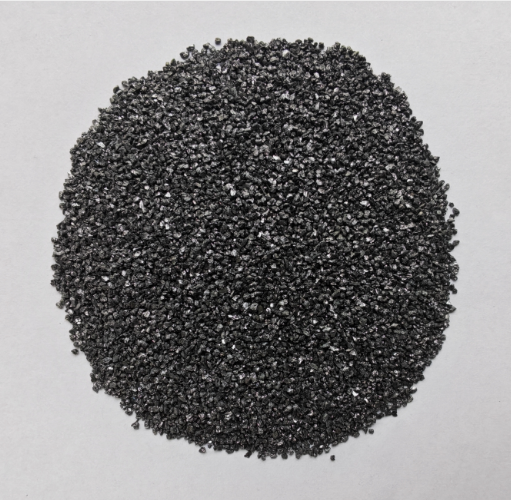
Black Silicon Carbide (SiC) is widely used in abrasives, refractory materials, and surface treatment industries due to its excellent hardness, thermal resistance, and cutting ability. However, for industrial buyers, chemical composition is one of the most critical factors affecting product performance and consistency.
In global sourcing, variations in purity and impurity levels can directly influence processing efficiency, product lifespan, and overall cost-effectiveness. This article provides a detailed breakdown of the most common chemical composition issues in black silicon carbide and how they impact your applications.
Why This Issue Troubles Buyers
For international buyers, chemical composition issues are not always immediately visible—but their consequences are costly and long-term.
- Inconsistent performance between batches
- Unexpected increase in abrasive consumption
- Customer complaints due to unstable product quality
- Difficulty in maintaining production standards
👉 Many buyers only realize the problem after production losses occur, making this a hidden but critical sourcing risk.
Why Chemical Composition Matters in Black Silicon Carbide
The performance of black silicon carbide is fundamentally determined by its chemical composition. High-quality SiC ensures:
- Superior hardness and cutting efficiency
- Stable performance under high temperatures
- Longer service life in abrasive applications
When composition deviates from standard specifications, even slightly, the consequences can be significant—especially in precision grinding or high-temperature environments.
Key Chemical Composition Issues in Black Silicon Carbide
Insufficient Purity (Low SiC Content)
Purity refers to the percentage of silicon carbide (SiC) in the material. High-grade black SiC typically contains ≥98% SiC, depending on the application.
Common Problem:
- SiC content falls below the required specification
Impact:
- Reduced hardness
- Lower wear resistance
- Decreased cutting performance
👉 For buyers, this often leads to higher consumption rates and increased operational costs.
Excessive Impurities
Impurities are unavoidable during production, but excessive levels can severely affect performance.
Common Impurities:
- Free Carbon (C)
- Silicon Dioxide (SiO₂)
- Iron (Fe)
Effects of High Impurity Levels:
| Impurity Type | Source | Negative Impact |
| Free Carbon | Incomplete reaction during smelting | Reduces bonding strength and cutting efficiency |
| SiO₂ | Oxidation or raw material contamination | Lowers high-temperature resistance |
| Iron (Fe) | Equipment or raw material contamination | Affects thermal stability and may cause defects |
How Chemical Composition Affects Application Performance
Cutting Efficiency
Low purity and high impurities result in:
- Duller abrasive grains
- Reduced sharpness
- Slower material removal rates
👉 This directly impacts productivity in grinding and polishing processes.
High-Temperature Resistance
Black silicon carbide is often used in high-temperature environments. However:
- High SiO₂ content → reduces oxidation resistance
- Iron contamination → may cause instability under heat
👉 Result: premature failure in refractory or thermal applications
Service Life
Material lifespan is a key concern for industrial buyers.
| Quality Factor | Effect on Lifespan |
| High SiC purity | Longer service life |
| High impurity levels | Faster wear and degradation |
| Stable composition | Consistent performance |
👉 Poor composition leads to frequent replacement and higher long-term costs

Common Misconceptions in the Market
Many buyers—especially those new to sourcing silicon carbide—may fall into these common traps:
- “Lower price means better competitiveness”
- “All black SiC is the same”
- “Certificates guarantee everything”
👉 The key is not just price or documents—but real, stable quality control.
Technical & Production Perspective: Why These Issues Occur
Main Reasons:
- Raw material variability
- Smelting process control
- Cooling & crushing process
- Separation & purification limitations
👉 Advanced manufacturers invest heavily in process stability and purification technology.
Pros and Cons of Different Sourcing Options
| Option | Advantages | Disadvantages |
| Low-price suppliers | Lower upfront cost | High impurity risk, unstable quality |
| Mid-range suppliers | Balanced cost/performance | May lack consistency |
| High-quality manufacturers | Stable composition, reliable performance | Higher initial price |
How We Control and Solve These Issues
- Carefully selected high-purity raw materials
- Advanced smelting process
- Multi-step purification
- Strict batch testing
👉 Ensuring stable quality and consistency.
Who This Product Is Suitable / Not Suitable For
Suitable for:
- Abrasive manufacturers
- Refractory producers
- Quality-focused buyers
Not suitable for:
- Price-only buyers
- Low-standard applications
Recommended Chemical Composition Range (Reference)
| Parameter | Standard Range |
| SiC Content | ≥98% |
| Free Carbon | ≤0.3% |
| SiO₂ | ≤0.5% |
| Fe | ≤0.2% |
Conclusion
Chemical composition determines performance, cost efficiency, and reliability.
👉 Choosing a reliable supplier is essential.
Contact us today for customized solutions and stable supply.