The global silicon carbide market is showing clear signs of upward movement.
Recent developments across China’s supply chain indicate that both Black Silicon Carbide (Black SiC) and Green Silicon Carbide (Green SiC) are entering a new price adjustment cycle.
For manufacturers using SiC in grinding wheels, refractories, polishing compounds, and blasting applications, understanding these changes is essential for procurement planning and cost control.
China’s Role in the Global Silicon Carbide Supply
China remains the largest producer of silicon carbide in the world.
A significant portion of global SiC supply comes from Chinese smelting regions such as:
- Xinjiang
- Gansu
- Ningxia
- Inner Mongolia
Because of this concentration, any production adjustment in China can quickly influence the global silicon carbide price trend.
Green Silicon Carbide Prices Lead the Market Increase
Recent market signals show that Green Silicon Carbide is currently leading the price adjustment.
Several Green SiC smelters in Xinjiang have issued official price adjustment notices.
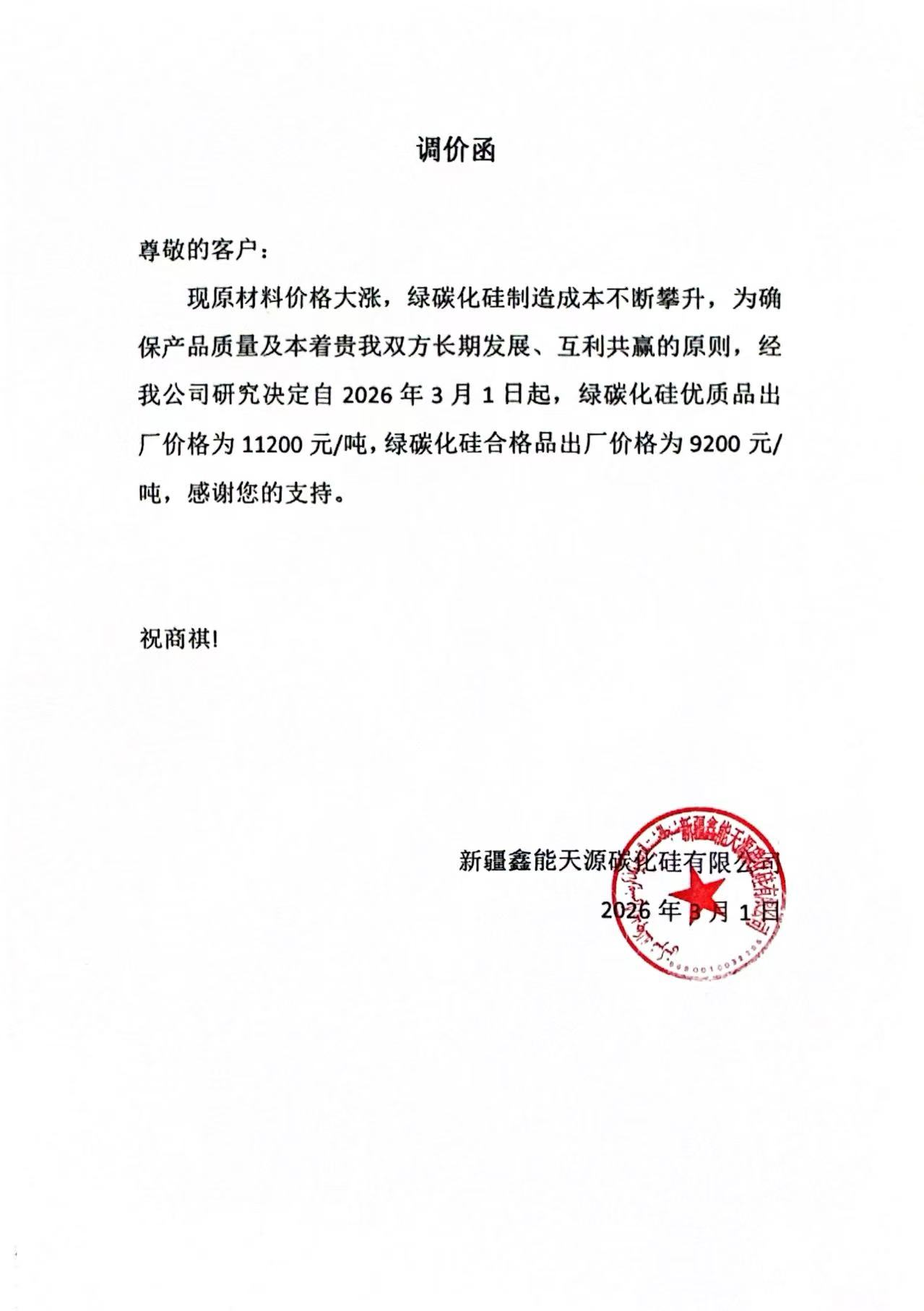
Following these announcements:
- downstream processing plants have increased prices
- industry associations have followed the adjustment
Green SiC production requires higher purity raw materials and stricter process control, which makes its price more sensitive to cost changes.
Green SiC is widely used in:
- vitrified bond grinding wheels
- precision grinding and polishing
- semiconductor wafer processing
- advanced ceramic materials
Black Silicon Carbide Prices Are Also Moving
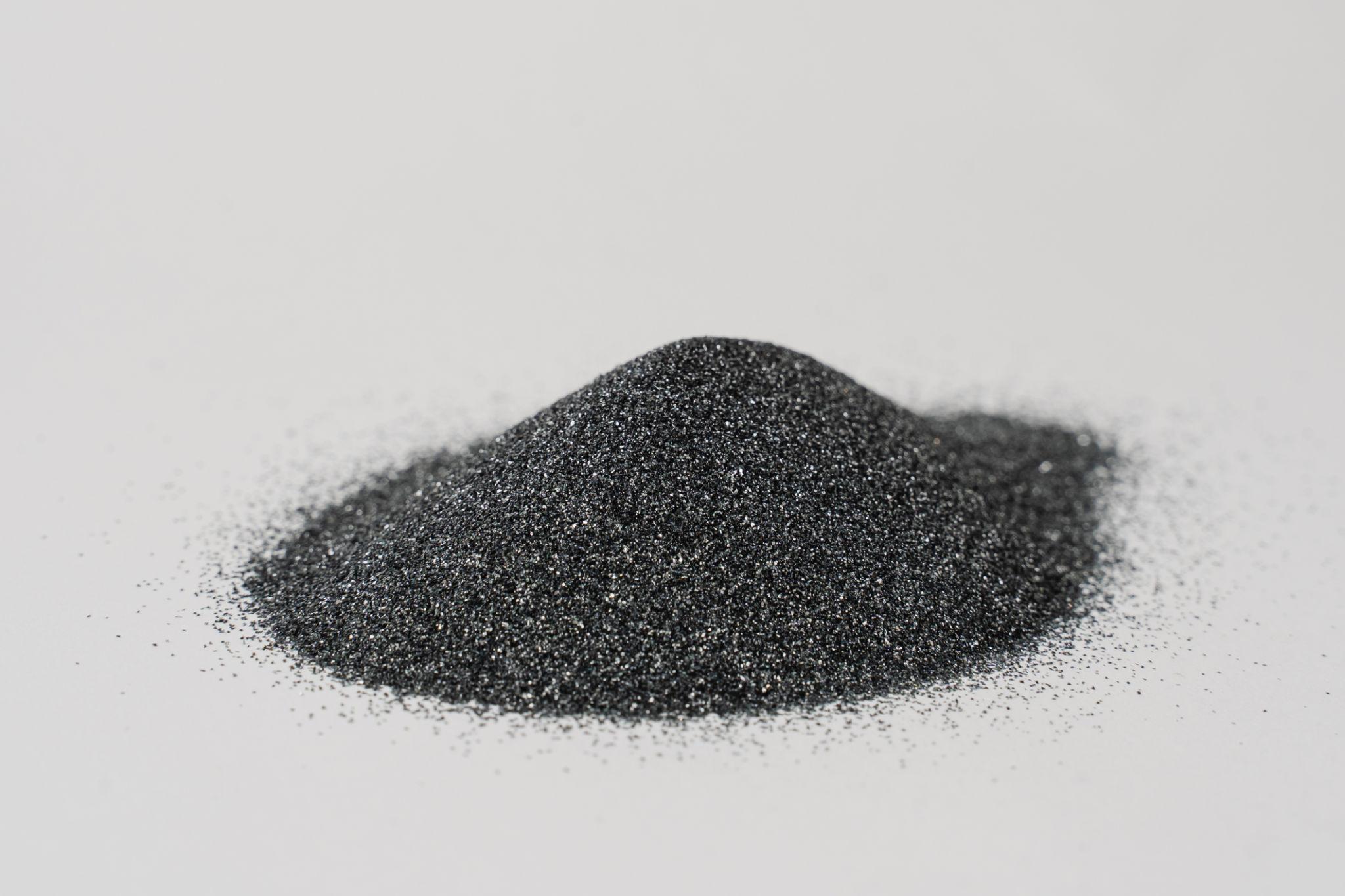
Although the increase is more moderate, Black Silicon Carbide prices are also trending upward.
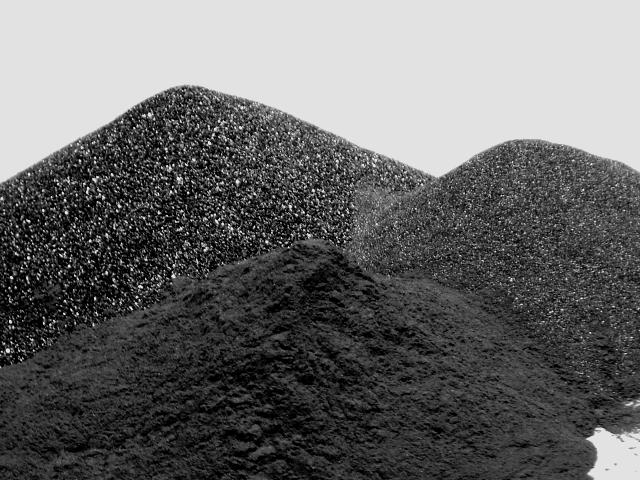
Black SiC is widely used in:
- resin bond grinding wheels
- coated abrasives
- sandblasting
- refractory applications
As production costs increase, suppliers across the market are gradually updating their quotations.
Key Factors Driving Silicon Carbide Price Increases
Several structural factors are pushing silicon carbide prices upward.
Rising Raw Material Costs
Petroleum coke and quartz sand, the two main raw materials used in SiC smelting, have experienced price increases.
Energy Cost Pressure
Silicon carbide production is extremely electricity-intensive.
Electricity price fluctuations directly affect production costs.
Regional Production Adjustments
Xinjiang is one of the largest silicon carbide production regions in China.
Production changes in this region often affect the entire market.
Supply Chain Price Transmission
Once smelters increase prices, processors and distributors typically follow.
Silicon Carbide Market Outlook
Current market signals indicate that the short-term trend for silicon carbide prices remains upward.
With smelters issuing price adjustment notices and downstream processors responding, the market may continue strengthening in the coming months.
Industrial buyers may consider:
- reviewing inventory levels
- evaluating procurement schedules
- securing stable supply contracts
Conclusion
Silicon carbide remains a critical material across multiple industries.
Understanding market trends early allows buyers to reduce procurement risk and maintain stable production costs.