What Really Matters Before You Place an Order
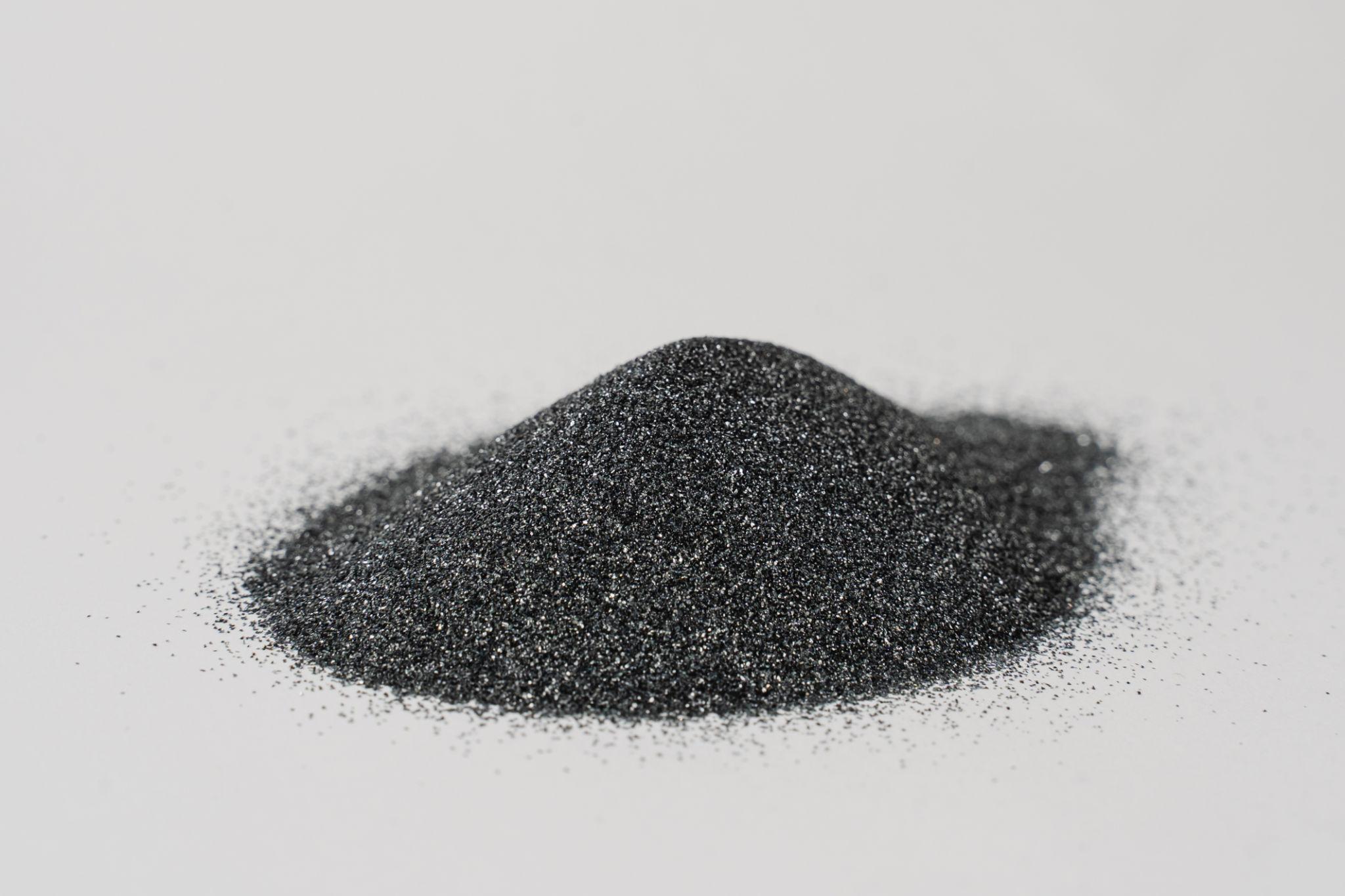
If you are sourcing Black Silicon Carbide (Black SiC) F46 for resin bond grinding wheels, you already know one reality:
Many suppliers look similar on paper, but their products behave very differently in production.
This article is written from a procurement and process perspective, not a textbook explanation. The purpose is to help you evaluate whether a Black SiC F46 is truly suitable for your grinding wheel application — and whether a supplier deserves long-term cooperation.
Why Black SiC F46 Often Causes Problems in Resin Bond Wheels
F46 is a critical grit size for resin bond grinding wheels.
It sits between rough grinding and finishing, which means it directly affects:
- Cutting aggressiveness
- Heat generation
- Wheel wear and service life
In real production, buyers frequently report:
- Inconsistent grinding performance between lots
- Excessive heat and wheel glazing
- Unexpected wheel failures during testing or use
In most cases, these issues are not caused by resin formulation or wheel design, but by hidden quality differences in Black SiC F46.
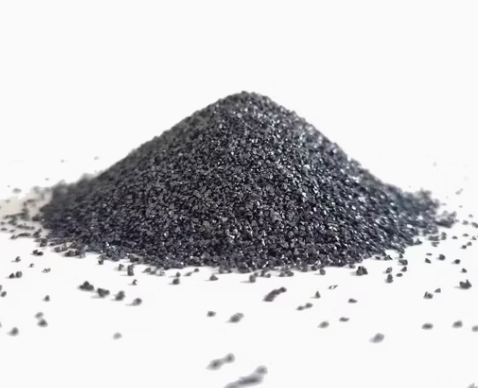
Key Quality Parameters That Actually Matter for Black SiC F46
Particle Size Distribution (PSD) – More Than “Meets FEPA”
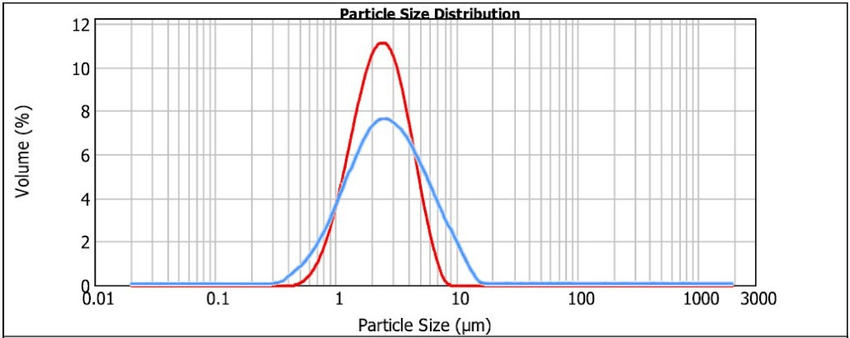
Many suppliers simply state: “F46 according to FEPA standard.”
For resin bond wheels, this is only the starting point.
What really matters is:
- Balance between coarse and fine fractions
- Control of fine tail content
- Stability of PSD across different lots
Excess fines may cause glazing and poor self-sharpening.
Oversized particles may lead to vibration and unstable grinding.
A reliable Black SiC F46 should show consistent PSD over time, not just one acceptable test result.
Magnetic Content – A Hidden Risk Factor
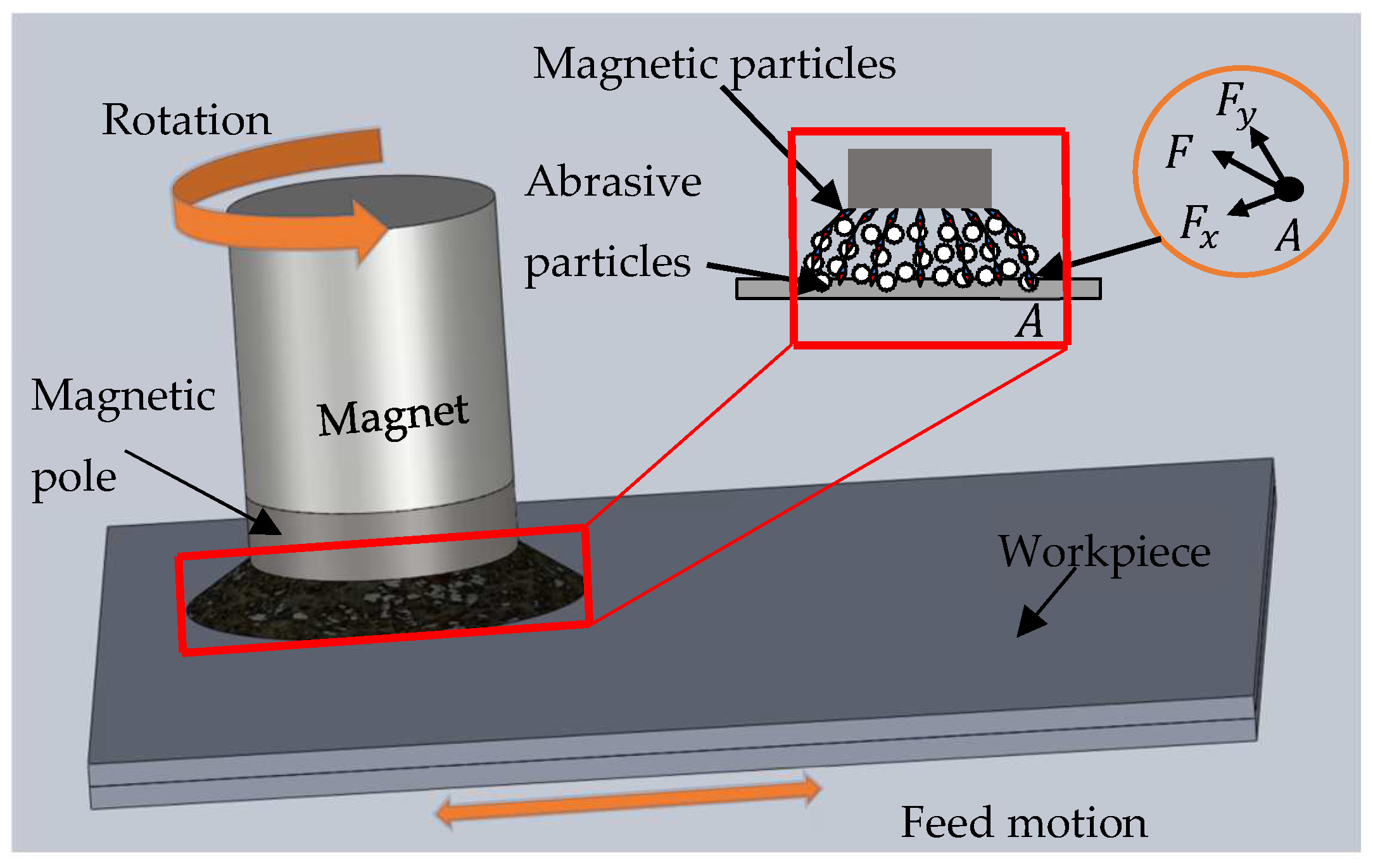
Magnetic contamination is often underestimated.
High magnetic content can result in:
- Increased wheel wear
- Local overheating during grinding
- Unstable cutting behavior in continuous production
For resin bond wheels used in industrial applications, low and stable magnetic content is essential.
When evaluating a supplier, it is important to understand how magnetic impurities are controlled during crushing and sieving, not just whether a limit is stated on the COA.
Bulk Density – Consistency Is More Important Than the Testing Results
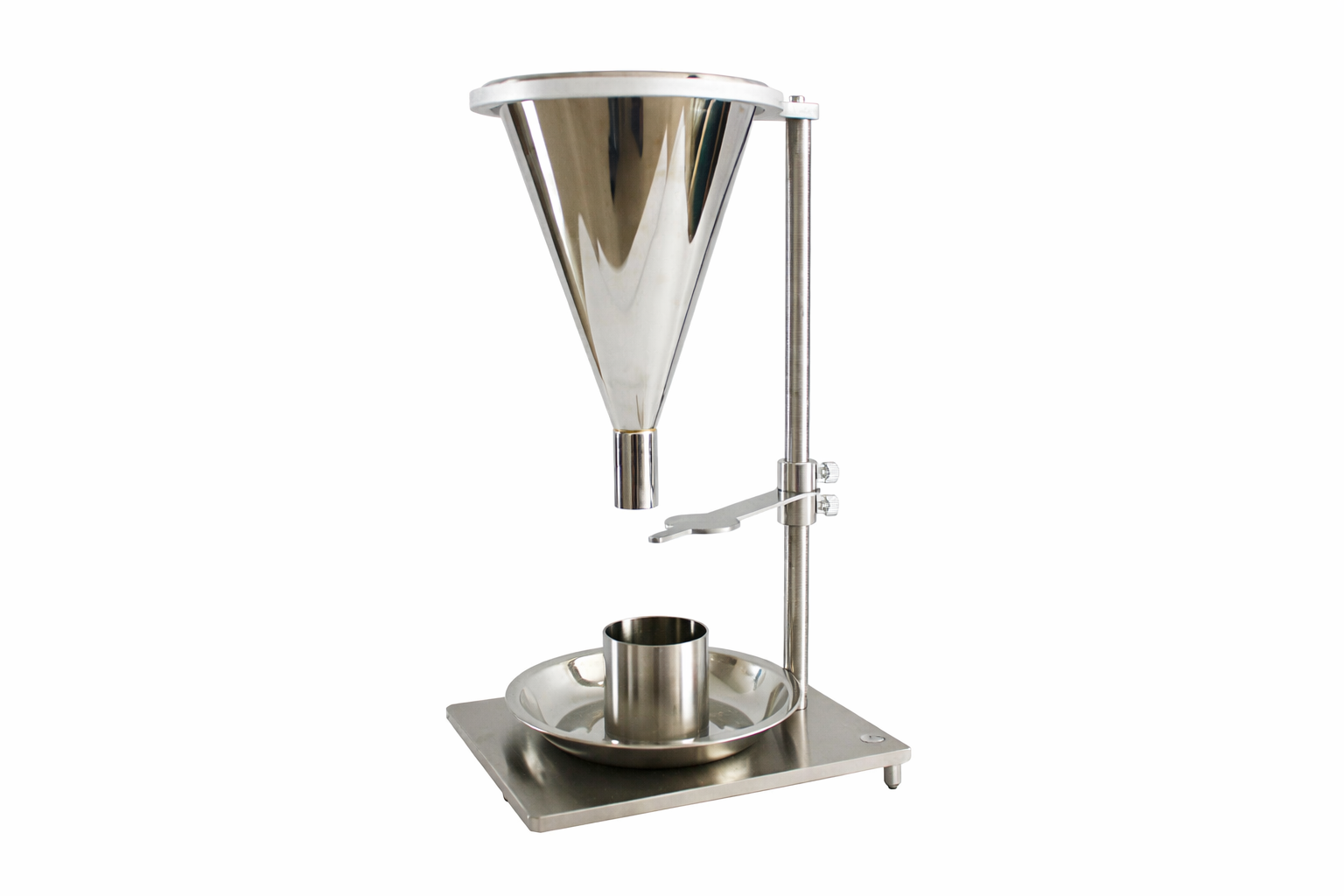
Bulk density directly affects:
- Pressing behavior
- Resin distribution
- Mechanical strength of the wheel
Fluctuating bulk density between lots often leads to:
- Adjustments in pressing parameters
- Requalification costs
- Production delays
For Black SiC F46 used in resin bond wheels, lot-to-lot consistency is far more valuable than chasing an extreme density value.
Why Two “F46” Products Perform Very Differently

F46 is not defined only by sieve size.
Actual performance depends on:
- Furnace stability
- Crushing method
- Classification accuracy
- Quality control discipline
Low-cost Black SiC may meet basic specifications on paper, but often fails in:
- Continuous grinding operations
- Large wheel production batches
- Long-term performance consistency
The real cost is not the material price, but retesting, reformulation, and customer complaints.
When Black SiC F46 May Not Be the Right Choice
Black SiC F46 may not be suitable if:
- Heat generation must be minimized
- Surface finish is more critical than stock removal
- Wheel glazing occurs frequently
In such cases, adjusting grit size or PSD window may be more effective than changing resin systems.
What to Confirm Before Placing an Order
Before ordering Black SiC F46, it is recommended to clarify:
- Bond type and wheel formulation
- Grinding application and operating conditions
- Target bulk density range
- Acceptable magnetic content
- Expectations for lot-to-lot consistency
A professional supplier will focus on these points before quoting, not after problems occur.

Looking to Validate Your Black SiC F46 Selection?
If you are:
- Evaluating Black SiC F46 for resin bond grinding wheels
- Facing unstable grinding performance
- Comparing multiple suppliers
You can share your application details and technical expectations to receive a practical recommendation before committing to bulk orders.
Reducing trial-and-error at the sourcing stage saves both time and production cost.