Green Silicon Carbide (SiC) JIS1200 is an ultra-fine abrasive powder widely used in high-precision grinding and polishing applications. Due to its exceptional hardness, chemical stability, and uniform particle distribution, it has become a preferred material for industries requiring micron-level surface finishing.
For global manufacturers and industrial buyers, selecting the correct abrasive grade directly impacts surface quality, production efficiency, and overall processing cost. This article provides a comprehensive overview of Green Silicon Carbide JIS1200, including its properties, applications, technical advantages, and key purchasing considerations.
What Is Green Silicon Carbide JIS1200?
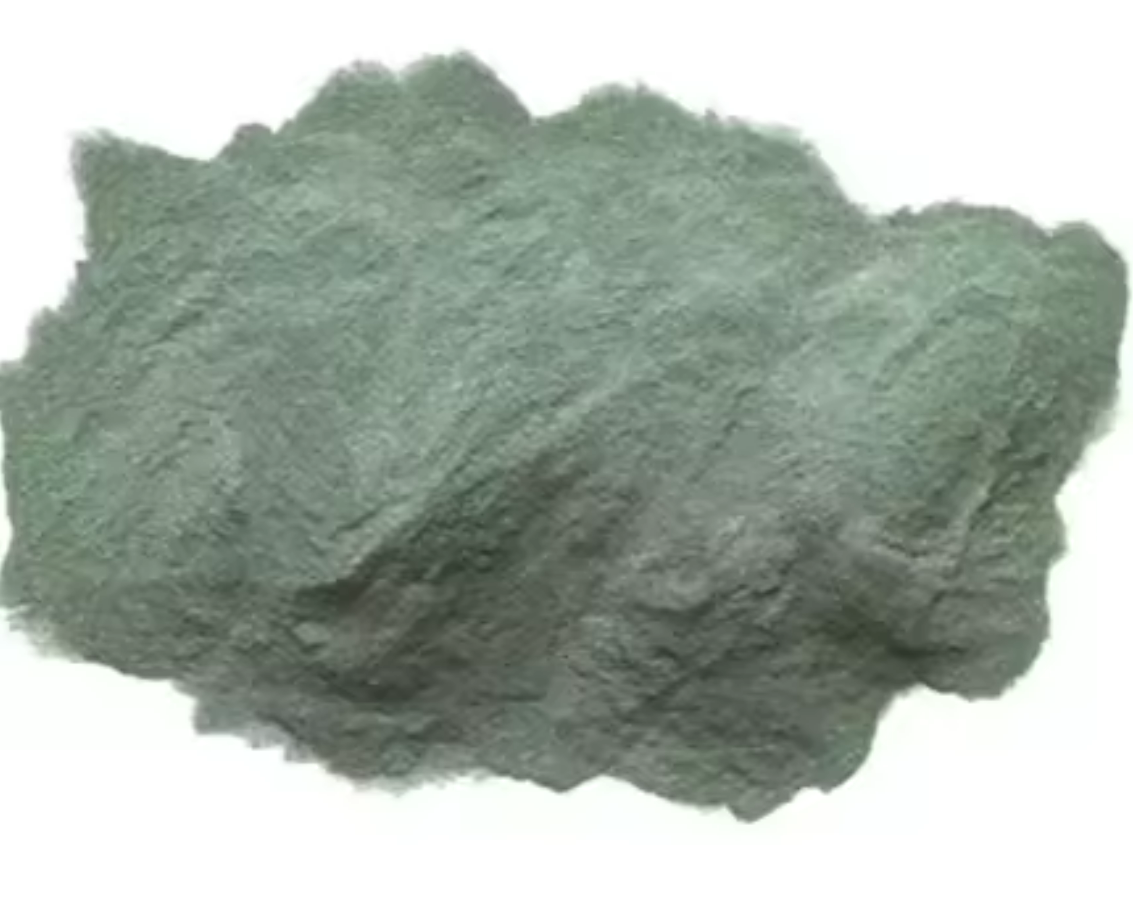
Green Silicon Carbide is produced through high-temperature smelting of high-purity silica sand and petroleum coke in an electric resistance furnace. Compared with black silicon carbide, green silicon carbide offers higher purity and sharper crystal structures, making it particularly suitable for precision finishing.
The JIS1200 grade belongs to the Japanese Industrial Standard (JIS) micro-powder classification, designed for ultra-fine polishing processes.
Key Characteristics
- Extremely high hardness (second only to diamond and boron carbide)
- Sharp cutting edges for fine surface finishing
- High thermal conductivity
- Excellent chemical and oxidation resistance
- Consistent micron particle distribution
Physical and Chemical Properties
Physical Properties
| Property | Typical Value |
| Mohs Hardness | 9.5 |
| Vickers Hardness | 3100–3400 kg/mm² |
| Specific Gravity | 3.2 g/cm³ |
| Bulk Density | 1.2–1.6 g/cm³ |
| Crystal Structure | Hexagonal |
| Maximum Service Temperature | Up to 1900°C |
| Thermal Expansion Coefficient | 7–9 ×10⁻⁶ /°C |
Chemical Composition (Typical)
| Component | Content |
| SiC | ≥ 98.5% |
| SiO₂ | ≤ 0.70% |
| Free Silicon | ≤ 0.40% |
| Fe₂O₃ | ≤ 0.15% |
| Free Carbon | ≤ 0.30% |
High purity minimizes contamination risks, which is critical for optical, semiconductor, and precision ceramic applications.
Particle Size Distribution of JIS1200
| Parameter | Particle Size |
| D0 | 20.5 μm |
| D3 | 12.81 μm |
| D50 | 9.45 μm |
| D94 | 6.87μm |
This ultra-fine grading enables controlled material removal and superior surface smoothness.
Main Applications of Green Silicon Carbide JIS1200
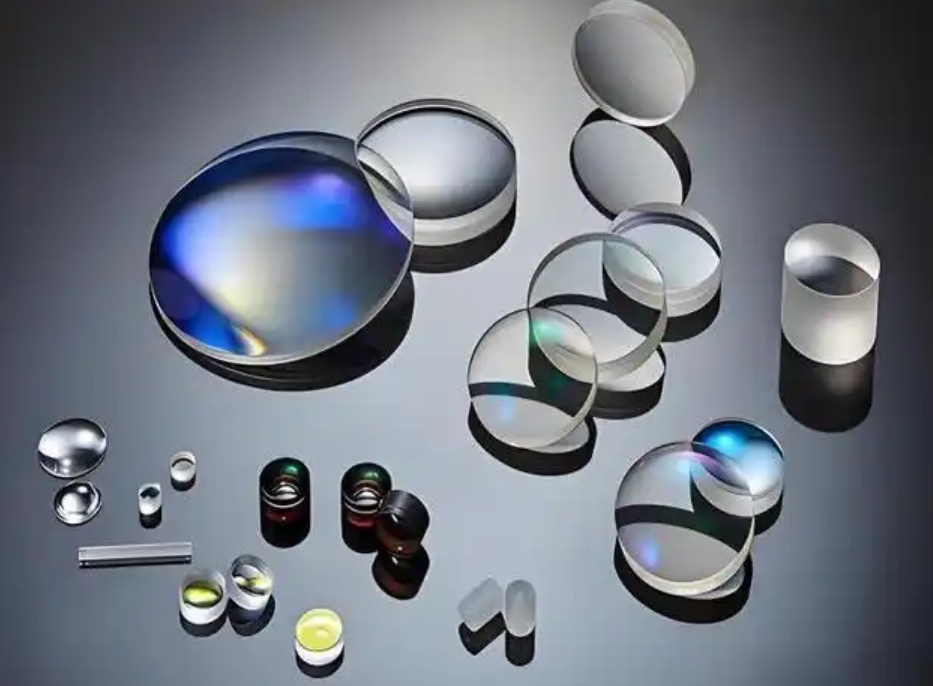
1. Optical Glass and Lens Polishing
JIS1200 micro powder is widely used in:
- Optical lenses
- Camera components
- Precision glass substrates
Benefits for manufacturers:
- Improved surface clarity
- Reduced polishing cycles
- Lower defect rates
2. Advanced Ceramics Processing
Green silicon carbide performs exceptionally well when machining hard and brittle materials such as alumina ceramics, zirconia components, and quartz materials.
3. Semiconductor and Electronic Components
Typical uses include wafer lapping, electronic ceramic finishing, and precision component polishing.
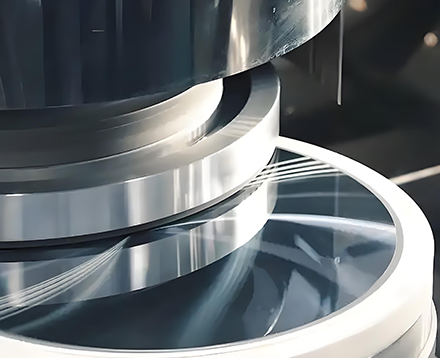
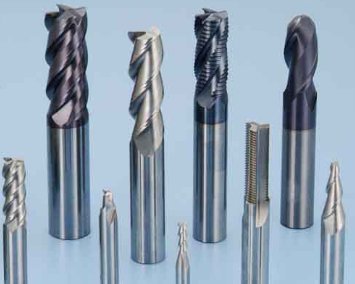
4. Carbide and Hard Alloy Grinding
Its high hardness allows efficient processing of difficult-to-machine materials such as tungsten carbide tools and titanium alloys.
5. Precision Surface Finishing and Coatings
Applications also include abrasive slurry production and surface preparation before coating.
Why Choose JIS Standard Micro Powder?
| Factor | Benefit for Buyers |
| Narrow particle distribution | Consistent finishing quality |
| Stable batch production | Reliable long-term supply |
| International recognition | Easy technical validation |
| Process repeatability | Reduced adjustment costs |
Advantages of Green Silicon Carbide Over Other Abrasives
| Abrasive Material | Hardness | Precision Finishing | Purity | Typical Use |
| Green Silicon Carbide | Very High | Excellent | High | Precision polishing |
| Black Silicon Carbide | High | Good | Medium | General grinding |
| Aluminum Oxide | Medium | Moderate | High | General abrasive use |
| Diamond | Extremely High | Excellent | Very High | Ultra-precision |
Purchasing Considerations for International Buyers
Key Evaluation Factors
- Particle size consistency
- Purity level
- Production process
- Quality documentation
- Supply stability
Typical Packaging and Supply Options
| Packaging Type | Application |
| 25 kg bags | Standard industrial use |
| Jumbo bags | Large volume procurement |
| Customized packaging | OEM requirements |
Why Does This Issue Often Trouble Industrial Buyers?
Many procurement engineers discover performance differences even within the same JIS1200 grade due to hidden production variables.
Common Market Misconceptions
Several misunderstandings frequently appear during sourcing decisions, especially when buyers rely only on grade numbers or pricing.
Technical & Production Explanation
Performance differences mainly originate from smelting stability, classification precision, and particle distribution control.
Advantages and Disadvantages of Different Solutions
| Solution | Advantages | Limitations |
| Low-cost micro powder | Lower purchase price | Inconsistent polishing |
| Standard industrial grade | Balanced performance | Moderate stability |
| Controlled high-purity JIS1200 | Stable results | Higher initial price |
| Diamond abrasives | Maximum precision | Very high cost |
How We Control and Solve These Challenges
Professional manufacturing control ensures batch consistency and reliable polishing performance.
Start Optimizing Your Precision Polishing Process
If you are evaluating Green Silicon Carbide JIS1200 for precision finishing applications, choosing a reliable supplier is as important as selecting the material itself.
Contact us today to receive:
- TDS & MSDS
- Sample support
- Technical consultation
- Competitive quotation