In precision grinding, lapping, polishing, and surface finishing operations, abrasive particle consistency directly affects product quality, production efficiency, and manufacturing costs.
Among the many abrasive grades available, FEPA F600 Silicon Carbide Powder has become one of the most widely used specifications for achieving a balance between material removal and surface finish quality.
For buyers sourcing abrasives for industrial applications, understanding the advantages of F600 grit can help optimize both process performance and procurement decisions.
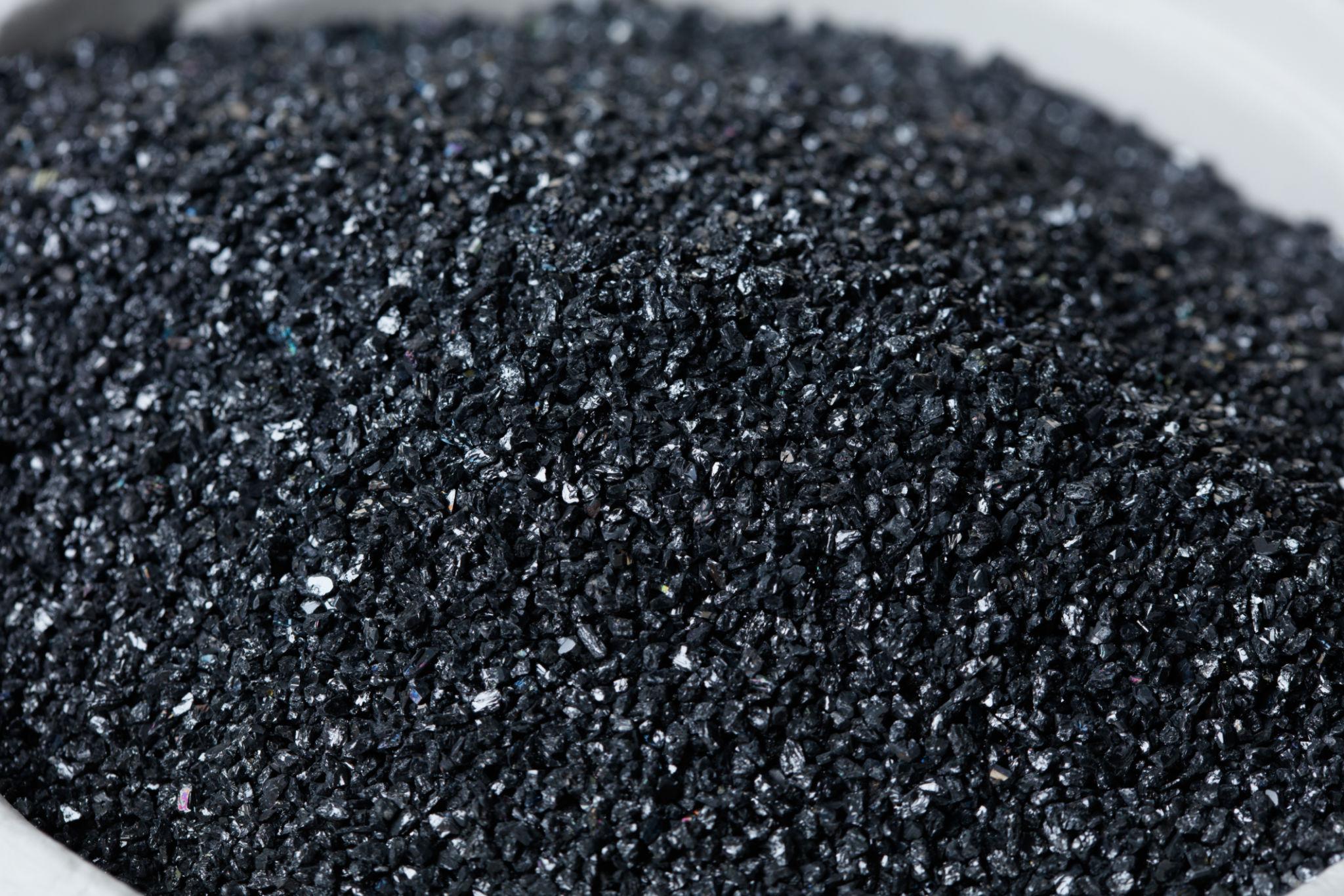
Why Is Choosing the Right Silicon Carbide Grit So Challenging for Buyers?
For procurement managers and production engineers, selecting the correct abrasive grade is often more complicated than it appears.
A grit size that performs well in one application may produce poor results in another. Buyers frequently face challenges such as:
- Inconsistent surface finishes
- Excessive abrasive consumption
- Production inefficiencies
- Batch-to-batch variation
- Unexpected quality complaints
As a result, choosing between F500, F600, F800, or other grades becomes a critical purchasing decision that directly affects production costs and product quality.
What Is FEPA F600 Silicon Carbide Powder?
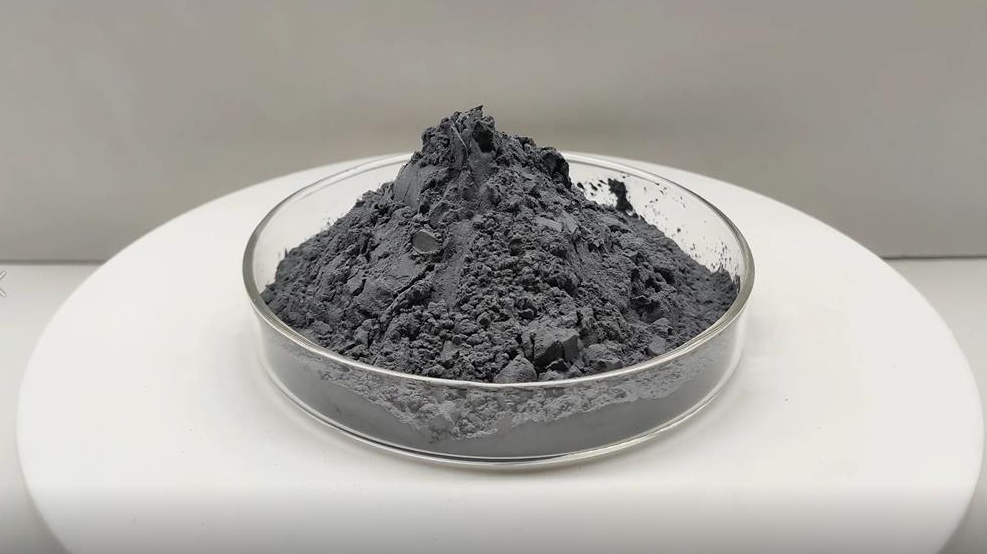
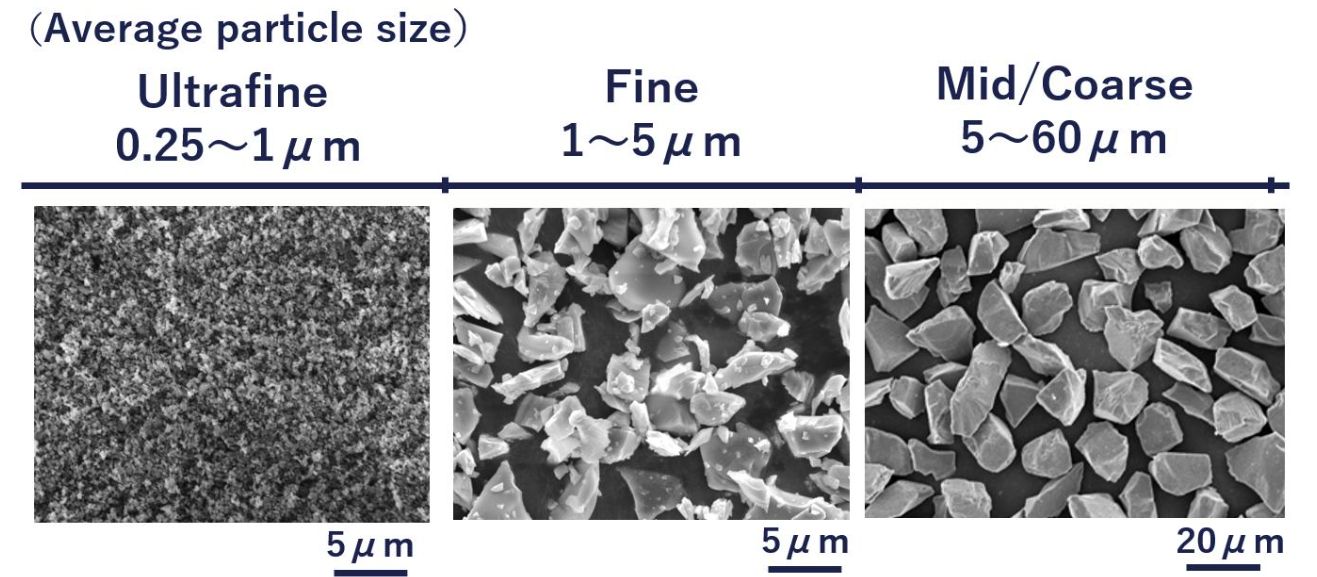
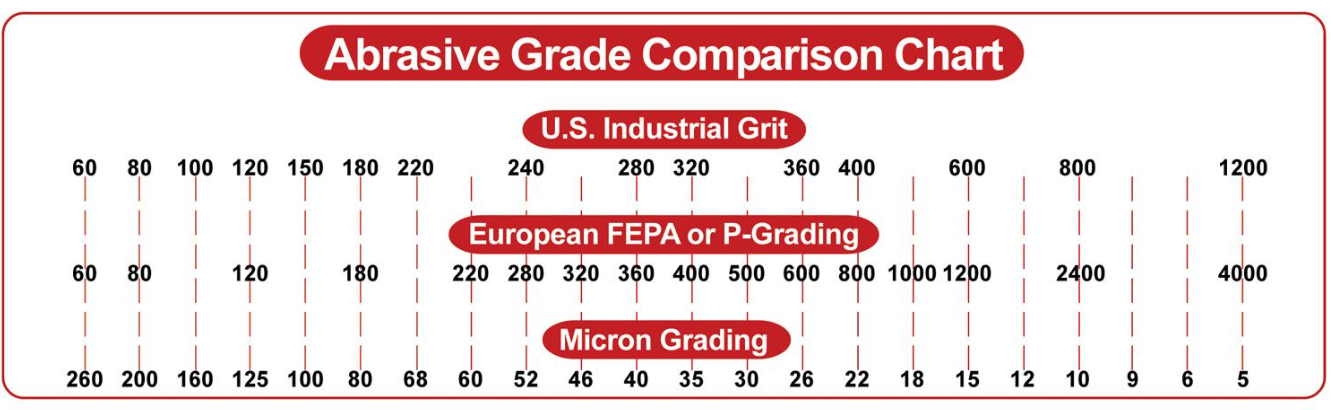
FEPA F600 is a standardized micro-grit abrasive defined by the Federation of European Producers of Abrasives (FEPA).
It belongs to the fine abrasive category and is commonly used in applications requiring:
- Precision grinding
- Fine lapping
- Intermediate polishing
- Surface preparation
- Ceramic finishing
- Optical component processing
Typical Particle Size Distribution
| Parameter | FEPA F600 |
| Average Particle Size (D50) | Approx. 9–12 μm |
| Particle Range | Fine Micro Grit |
| FEPA Standard | FEPA 42-2 |
| Shape | Sharp Angular |
| Hardness | Mohs 9.2–9.5 |
| Color | Black or Green |
The sharp particle structure allows efficient cutting while maintaining a relatively smooth surface finish.
Common Misconceptions About F600 Silicon Carbide Powder
Many buyers enter the market with assumptions that may lead to poor purchasing decisions.
Misconception 1: Finer Grit Always Produces Better Results
In reality, excessively fine abrasives can significantly reduce cutting efficiency and increase processing time.
Misconception 2: All F600 Powders Are the Same
Even when suppliers label their products as F600, significant differences may exist in:
- Particle size distribution
- Oversized particle control
- Purity
- Classification technology
Misconception 3: Lowest Price Means Lowest Cost
Low-cost materials often lead to:
- Higher consumption
- More rework
- Lower yields
The total manufacturing cost may actually increase.
Why Buyers Prefer F600 Over Other Grit Sizes
Choosing the correct grit size is often a balance between cutting speed and surface quality.
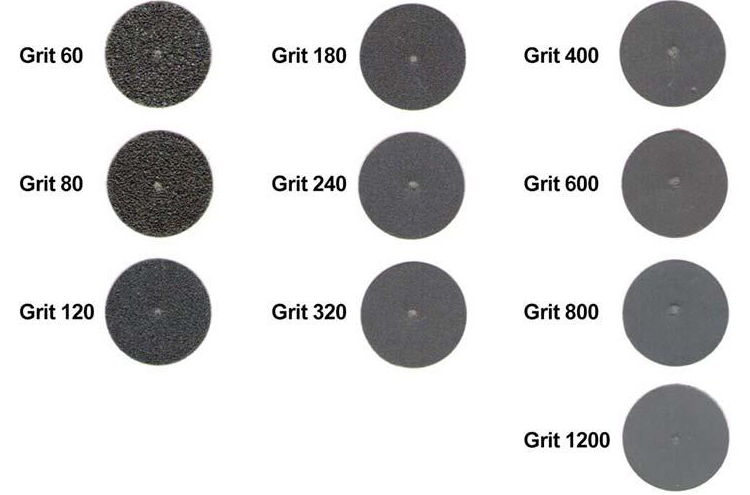
Comparison of Common Silicon Carbide Grits
| Grit | Approx. Size | Material Removal | Surface Finish |
| F360 | Coarser | High | Moderate |
| F500 | Medium-Fine | Good | Good |
| F600 | Fine | Balanced | Excellent |
| F800 | Very Fine | Lower | Superior |
| F1200 | Ultra Fine | Minimal | Mirror Finish |
For many industrial users, F600 offers the best compromise between productivity and finish quality.
Technical and Production Factors Behind F600 Performance
The effectiveness of FEPA F600 Silicon Carbide Powder is not determined solely by its nominal grit designation.
Several manufacturing factors influence real-world performance.
| Production Factor | Impact on Performance |
| Crushing Technology | Particle Shape |
| Air Classification | PSD Accuracy |
| Purity Control | Grinding Stability |
| Magnetic Separation | Contamination Reduction |
| Batch Inspection | Consistency |
A high-quality F600 powder maintains a narrow particle size distribution, ensuring uniform cutting behavior throughout the process.
Key Advantages of FEPA F600 Silicon Carbide Powder
1. Excellent Cutting Efficiency
Silicon carbide is one of the hardest synthetic abrasives available.
| Abrasive | Mohs Hardness |
| Silicon Carbide | 9.2–9.5 |
| Aluminum Oxide | 9 |
| Zirconia Alumina | 8.5–9.0 |
| Glass | 5.5–6.0 |
The sharp angular particles of F600 enable:
- Faster stock removal
- Reduced processing time
- Lower energy consumption
2. Consistent Surface Finish
For buyers producing precision parts, consistency is often more important than aggressive cutting.
Applications requiring repeatable finishes include:
- Ceramic seals
- Tungsten carbide components
- Sapphire substrates
- Optical glass
- Semiconductor wafers
F600 provides:
✓ Uniform scratch patterns
✓ Controlled surface roughness
✓ Reduced rework rates
✓ Better process repeatability
3. Wide Material Compatibility
One reason industrial users prefer silicon carbide is its versatility.
Suitable Materials
| Material | Performance |
| Glass | Excellent |
| Ceramics | Excellent |
| Quartz | Excellent |
| Carbide | Excellent |
| Sapphire | Excellent |
| Stone | Very Good |
| Cast Iron | Good |
| Non-Ferrous Metals | Good |
This flexibility allows manufacturers to standardize inventory around a single abrasive grade.
Major Industrial Applications of F600 Silicon Carbide
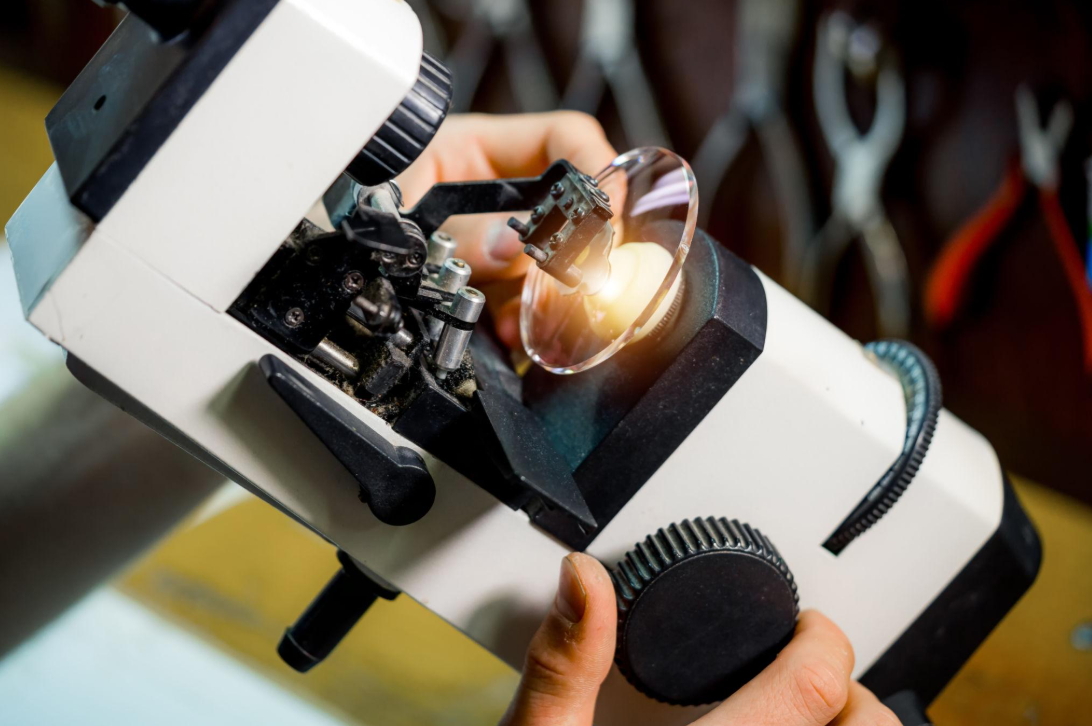
Optical Glass Polishing
Used for:
- Lens production
- Optical components
- Camera glass
- Scientific instruments
Benefits include:
- Reduced subsurface damage
- Uniform polishing action
- Better optical clarity
Technical Ceramics Processing
Industries include:
- Electronics
- Aerospace
- Medical devices
Typical components:
- Ceramic seals
- Alumina parts
- Zirconia components
F600 provides controlled material removal without excessive surface damage.
Semiconductor Industry
Applications include:
- Wafer lapping
- Crystal preparation
- Substrate finishing
Advantages:
- High purity
- Stable particle size distribution
- Reduced contamination risks
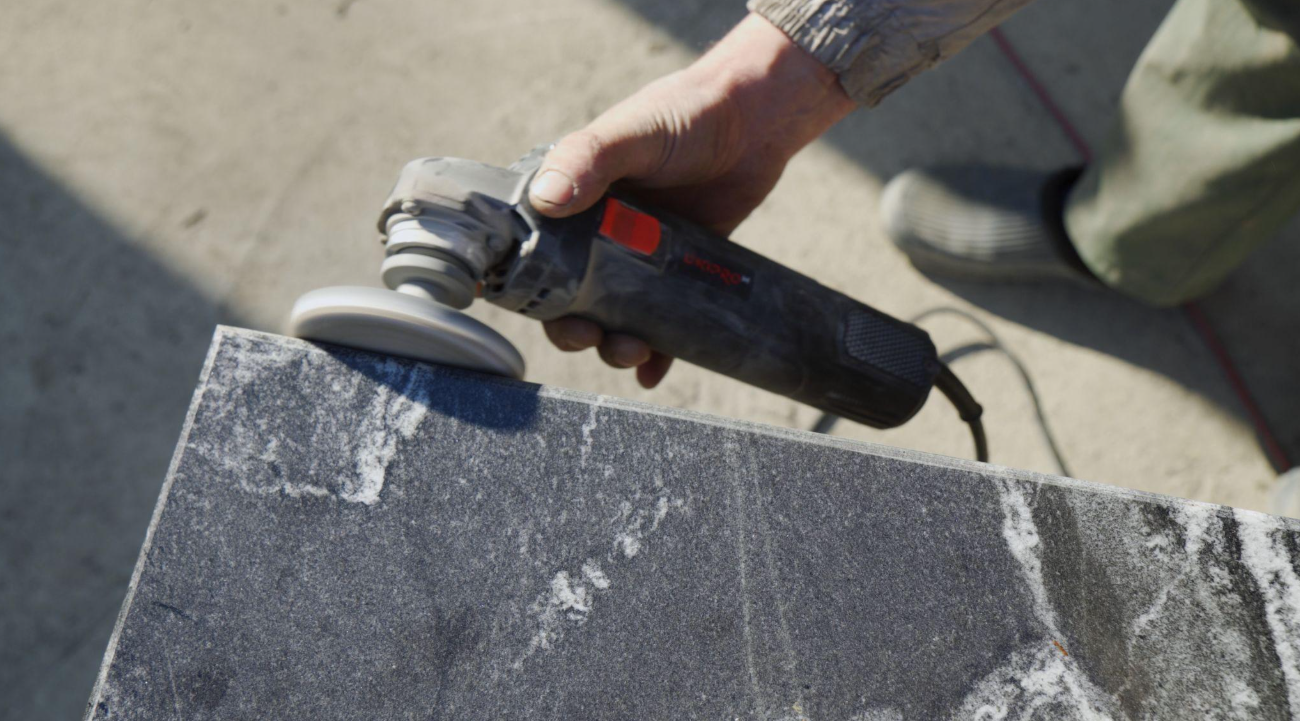
Stone and Marble Polishing
F600 is frequently used during intermediate polishing stages.
Suitable for:
- Granite
- Marble
- Quartz stone
Result:
- Enhanced gloss
- Improved smoothness
- Reduced polishing time
Comparing Different Abrasive Solutions
Buyers often evaluate several abrasive options before making a purchasing decision.
| Abrasive Type | Advantages | Limitations |
| Silicon Carbide F600 | Fast Cutting + Fine Finish | Slightly Higher Cost |
| Aluminum Oxide | Economical | Lower Hardness |
| Diamond Powder | Highest Precision | Very Expensive |
| Cerium Oxide | Excellent for Glass | Limited Applications |
For many industrial applications, F600 Silicon Carbide offers the most cost-effective balance between performance and cost.
What Professional Buyers Look for When Purchasing F600
Price alone should never be the only consideration.
Experienced buyers evaluate suppliers based on several key factors.
Particle Size Consistency
| Quality Factor | Importance |
| D3 | High |
| D50 | Very High |
| D94 | High |
| Oversized Particles | Critical |
Poor particle control can lead to:
- Scratches
- Yield loss
- Customer complaints
Chemical Purity
| Item | Black SiC | Green SiC |
| SiC Content | ≥98% | ≥99% |
| Fe₂O₃ | Low | Very Low |
| Free Carbon | Controlled | Minimal |
Higher purity generally results in more predictable grinding performance.
Batch-to-Batch Stability
Ask suppliers:
- Do you test every production batch?
- Can you provide PSD reports?
- Is lot traceability available?
- Are retention samples maintained?
Cost Analysis: Why the Lowest Price Is Not Always the Lowest Cost
A cheaper abrasive may result in:
- Higher consumption
- Longer processing cycles
- Increased rejection rates
- More machine downtime
| Factor | Low Quality Supplier | Reliable Supplier |
| Purchase Price | Lower | Slightly Higher |
| Consumption Rate | Higher | Lower |
| Rework Cost | Higher | Lower |
| Productivity | Lower | Higher |
| Total Operating Cost | Higher | Lower |
Professional buyers focus on total process cost rather than unit price alone.
How to Evaluate a Silicon Carbide Supplier
Before placing large-volume orders, buyers should request:
Technical Documents
- COA
- PSD Analysis
- SDS
- TDS
Production Information
- Raw material source
- Classification equipment
- Quality control procedures
Commercial Factors
- MOQ flexibility
- Lead time stability
- Export experience
- Packaging options
A supplier with mature quality management systems often delivers greater long-term value.
How We Ensure Consistent F600 Silicon Carbide Quality
As an experienced silicon carbide manufacturer, we understand that consistency is often more important than price.
To ensure stable quality, we implement:
Strict Raw Material Selection
- High-purity silicon carbide blocks
- Controlled sourcing
Precision Air Classification
- Narrow PSD control
- Reduced oversized particles
Multiple Quality Inspections
| Inspection Stage | Purpose |
| Raw Material Testing | Purity Verification |
| Production Inspection | Process Control |
| Final PSD Analysis | FEPA Compliance |
| Packaging Check | Shipment Integrity |
Lot Traceability
Every batch can be traced back to its production records, ensuring accountability and consistency.
Who Should—and Should Not—Choose F600 Silicon Carbide Powder?
Ideal Users
✓ Optical glass manufacturers
✓ Ceramic component producers
✓ Semiconductor processors
✓ Precision lapping companies
✓ Stone polishing factories
✓ Abrasive tool manufacturers
May Not Be Ideal For
✗ Applications requiring aggressive stock removal
(F220–F360 may be more suitable)
✗ Mirror polishing applications
(F1000–F2000 may provide better finishes)
Why FEPA F600 Remains a Global Industry Standard
FEPA F600 Silicon Carbide Powder continues to be one of the most widely specified abrasive grades worldwide because it offers:
- Efficient cutting performance
- Excellent surface quality
- Broad material compatibility
- Stable processing results
- Cost-effective production performance
For manufacturers involved in precision grinding, lapping, polishing, ceramics, optics, semiconductor processing, and stone finishing, F600 remains one of the most reliable abrasive choices available.
Final Thoughts
When sourcing silicon carbide powder, the goal is not simply to buy an abrasive—it is to secure a consistent manufacturing process.
A high-quality FEPA F600 Silicon Carbide supplier should provide:
- Stable particle size distribution
- Reliable batch consistency
- High purity material
- Complete quality documentation
- Long-term supply capability
For professional buyers, these factors often determine production success far more than price alone.