
What is Silicon Carbide?
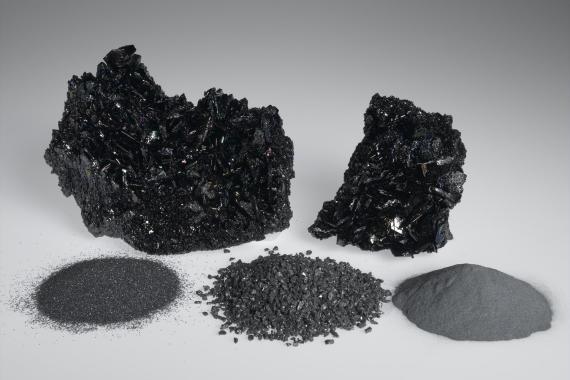
Silicon Carbide is produced by heating quartz sand and a carbon source, typically petroleum coke, to high temperatures in a large “Acheson” furnace. The result of this high temperature process is the crystalline formation of Silicon Carbide grains, of both Green and Black coloring. The color difference is due to the purity of the silicon […]
Carborundum (Silicon Carbide): Types, Applications, and Industry Benefits

Why Carborundum (Silicon Carbide) is the Key to Longer-Lasting, High-Performance Products If your business relies on precision, durability, and cost efficiency, the right material choice can make or break your project. Carborundum (silicon carbide) is more than just an abrasive — it’s a strategic advantage. From grinding wheels that outlast the competition to semiconductor components […]
How Boron Carbide Is Made: 4 Key Production Methods Explained
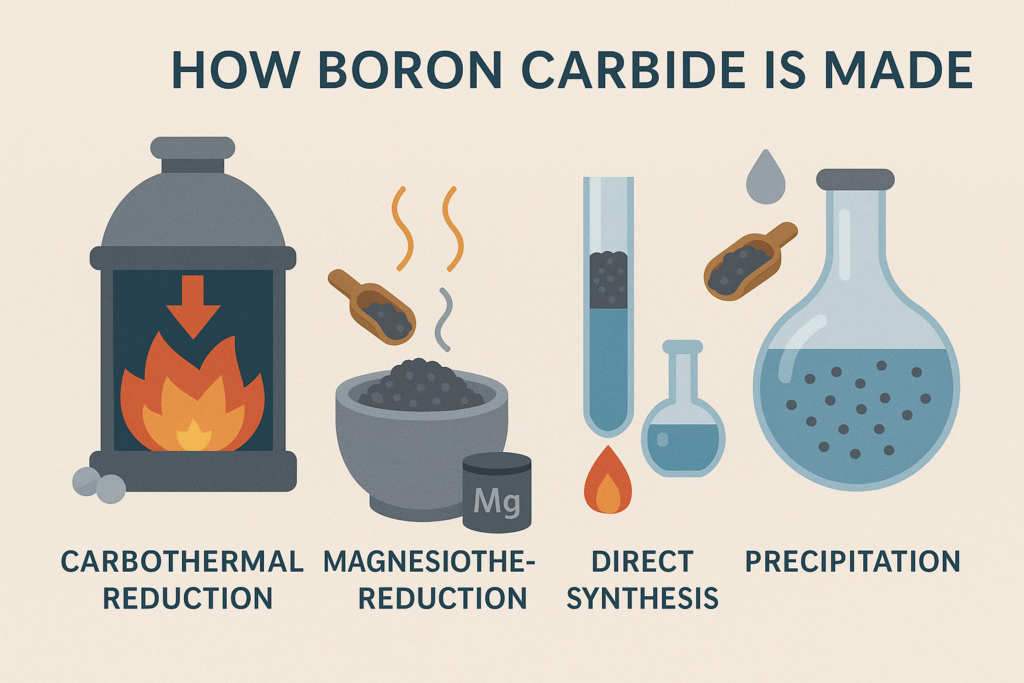
Boron carbide (B₄C) is one of the hardest materials known to science — ranking just below diamond and cubic boron nitride. It’s widely used in abrasives, blast nozzles, bulletproof armor, and advanced ceramics. But here’s something most engineers and buyers don’t realize: The way boron carbide is made has a major impact on its purity, […]
Is Your Abrasive Tough Enough? Discover Boron Carbide Powder
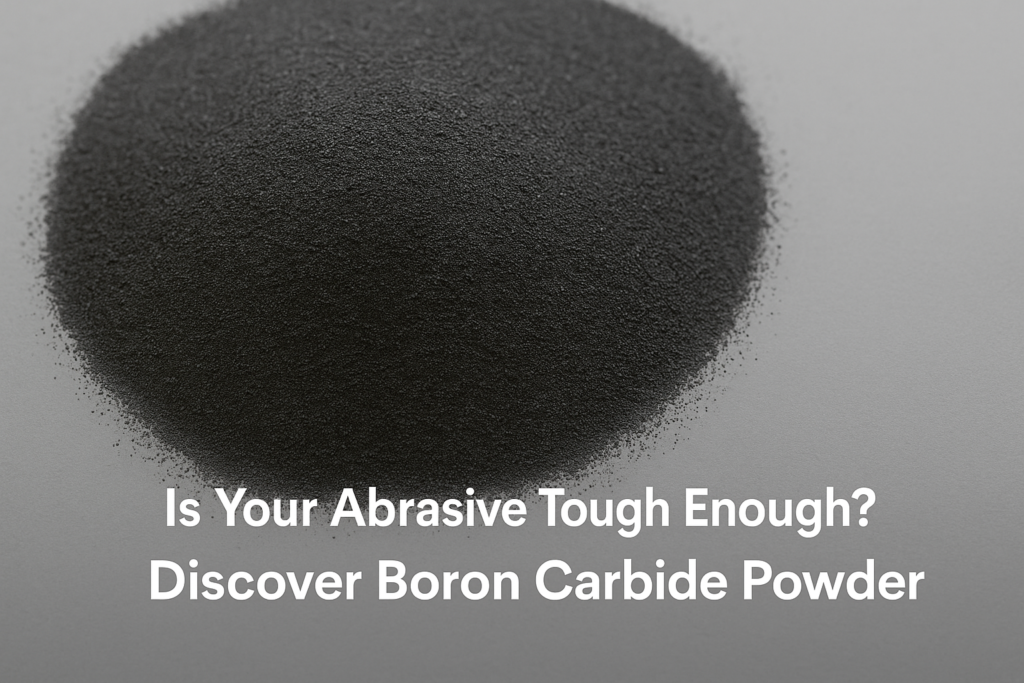
What Is Boron Carbide? Boron Carbide (chemical formula B₄C) is a highly hard, lightweight ceramic material known for its exceptional hardness, low density, and chemical stability. It is often referred to as “black diamond” because of its extreme durability. What Makes Boron Carbide Unique? Property Specification Chemical Formula B₄C Mohs Hardness 9–10 Density ~2.52 g/cm³ […]
