What Really Drives the Cost — and What Buyers Often Miss
When purchasing Black Silicon Carbide (Black SiC), price differences are often confusing.
Two offers may look similar on paper: the same grit size, similar chemistry, a comparable COA. Yet the price gap can be 10–30%, sometimes even more.
This page explains—from a supplier’s production logic—what truly determines the cost of Black SiC, and how buyers can avoid paying the wrong price.
First, a Key Reality Buyers Should Accept
There is no “standard” price for Black Silicon Carbide.
Black SiC is not a commodity like steel wire or cement. It is a process-driven abrasive, where small changes in production directly affect:
- grinding performance
- batch consistency
- downstream manufacturing cost
A lower purchase price does not necessarily mean a lower total cost.
The Six Core Cost Drivers of Black Silicon Carbide
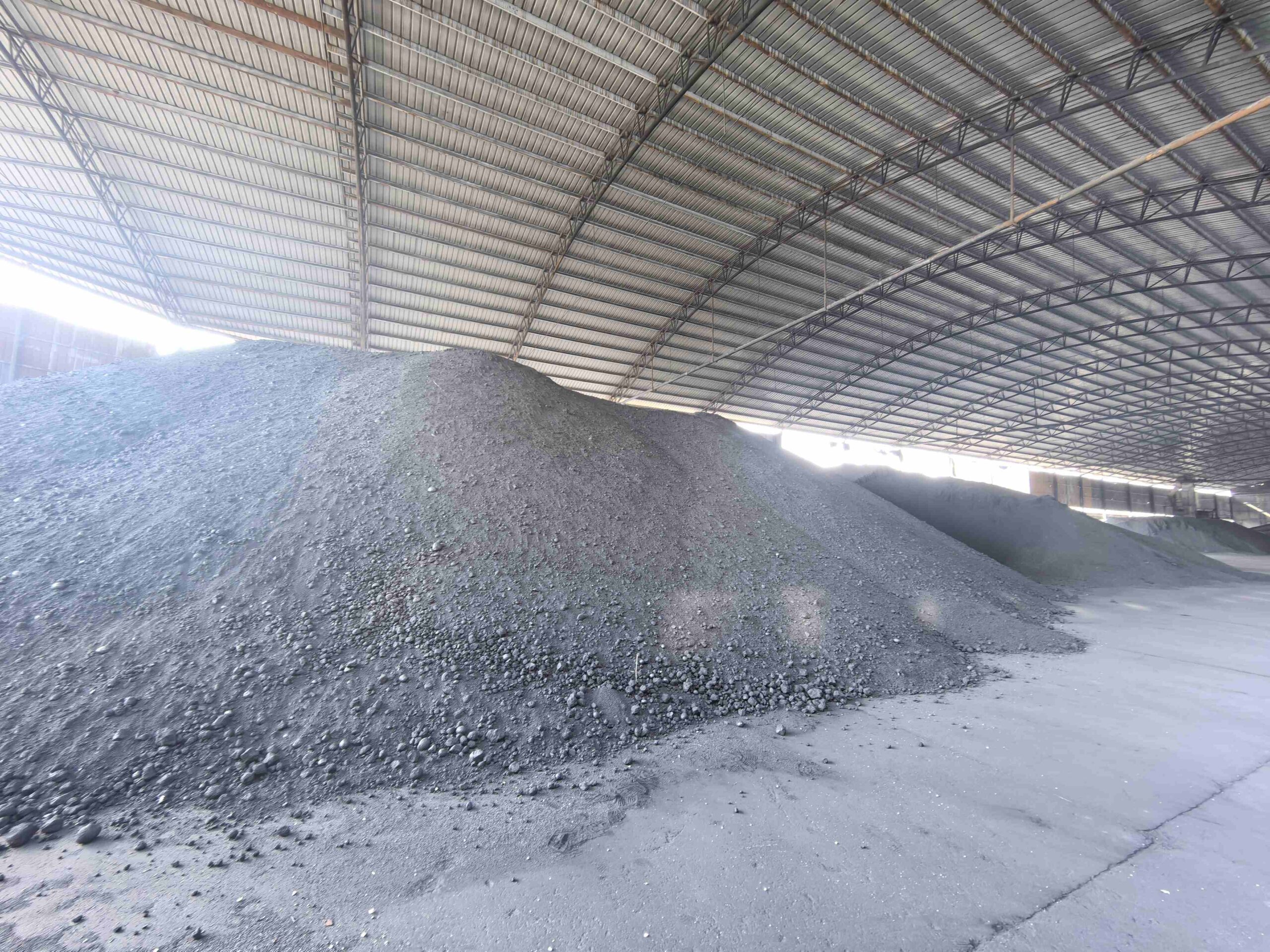
1️⃣ Raw Materials: Petroleum Coke & Quartz Quality
Black SiC is produced from:
- petroleum coke
- quartz (silica)
Price differences often begin at this stage.
- Higher-impurity coke leads to increased magnetic content
- Inconsistent quartz results in unstable crystal formation
Lower-cost raw materials may reduce the price, but often increase:
- fines content
- performance variation
- customer complaints
👉 Raw material quality rarely shows in a COA—but it always shows in use.
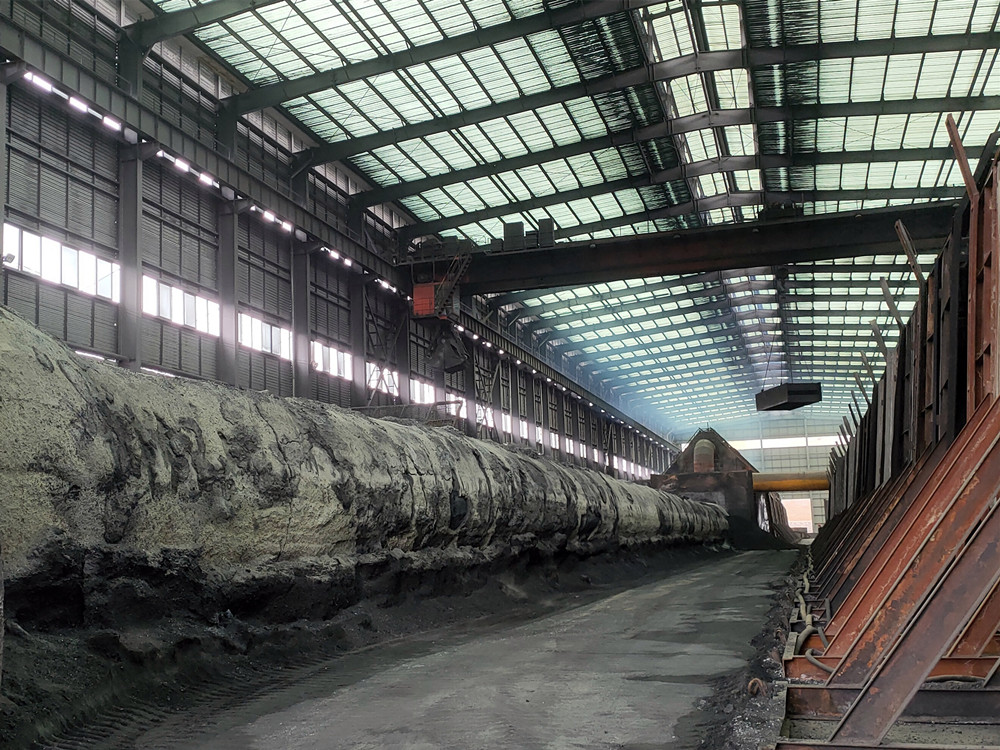
2️⃣ Furnace Type & Smelting Stability
Not all furnaces deliver the same result.
Cost is influenced by:
- furnace size and power stability
- temperature control accuracy
- smelting campaign consistency
Poor smelting control often leads to:
- mixed crystal quality
- uneven hardness
- unpredictable grinding behavior
👉 Stable furnaces cost more to operate—but significantly reduce risk for buyers.
3️⃣ Crushing & Milling Method (Often Overlooked)
Two suppliers may quote the same grit size while using very different milling routes.
Typical options include:
- Raymond milling (lower cost)
- Jet milling (higher cost, higher control)
The difference appears in:
- particle shape
- fines generation
- grit consistency
This is why cheap Black SiC often looks acceptable but performs inconsistently.
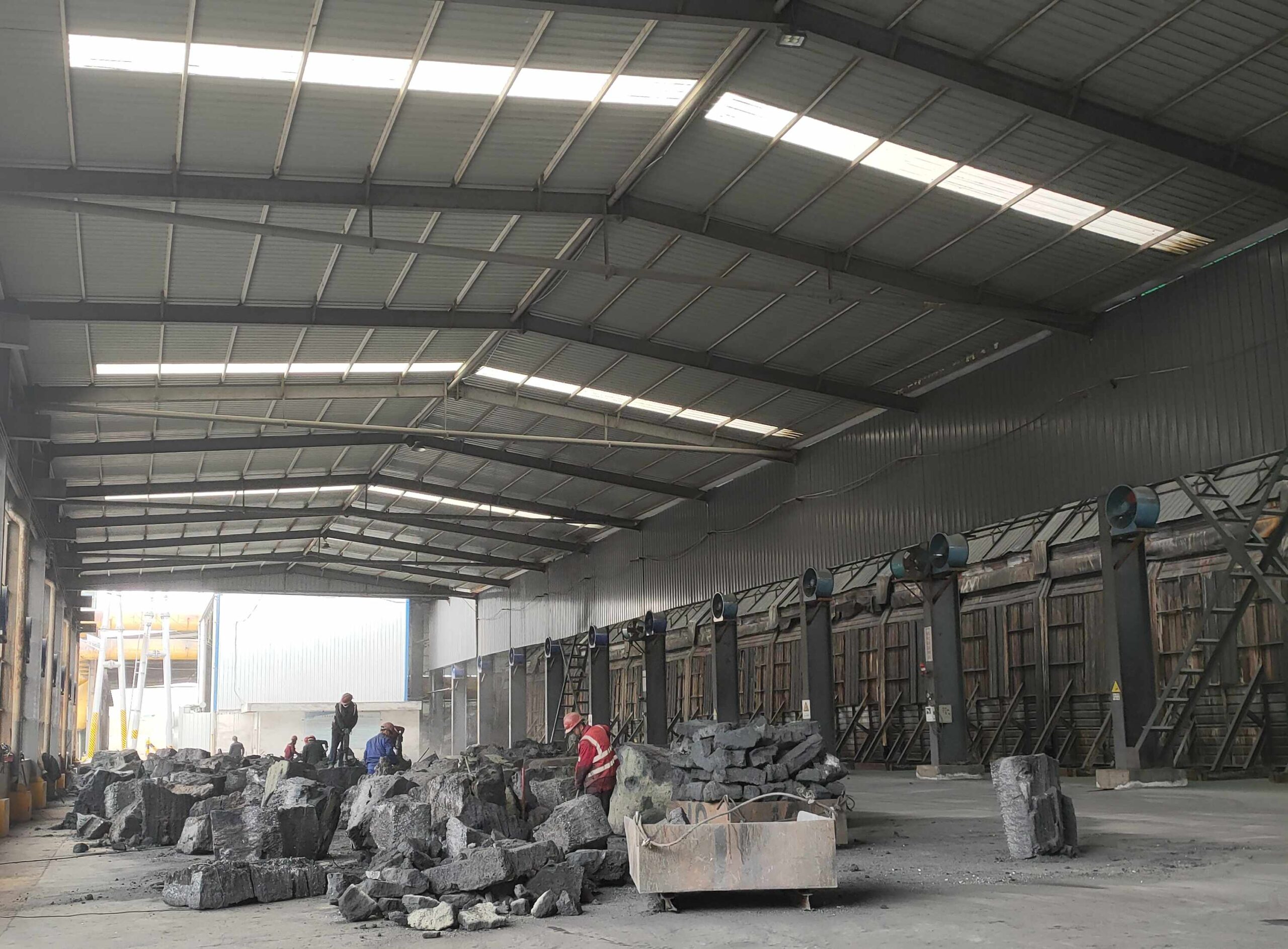
4️⃣ Classification & Washing Process
Classification is one of the largest hidden cost variables.
Common approaches include:
- simple sieving
- air washing
- water washing / acid washing
More advanced processing delivers:
- tighter particle size distribution
- lower magnetic content
- better bulk density stability
But it also means:
- higher water, energy, and labor costs
👉 Stable grinding performance always costs more than basic classification.

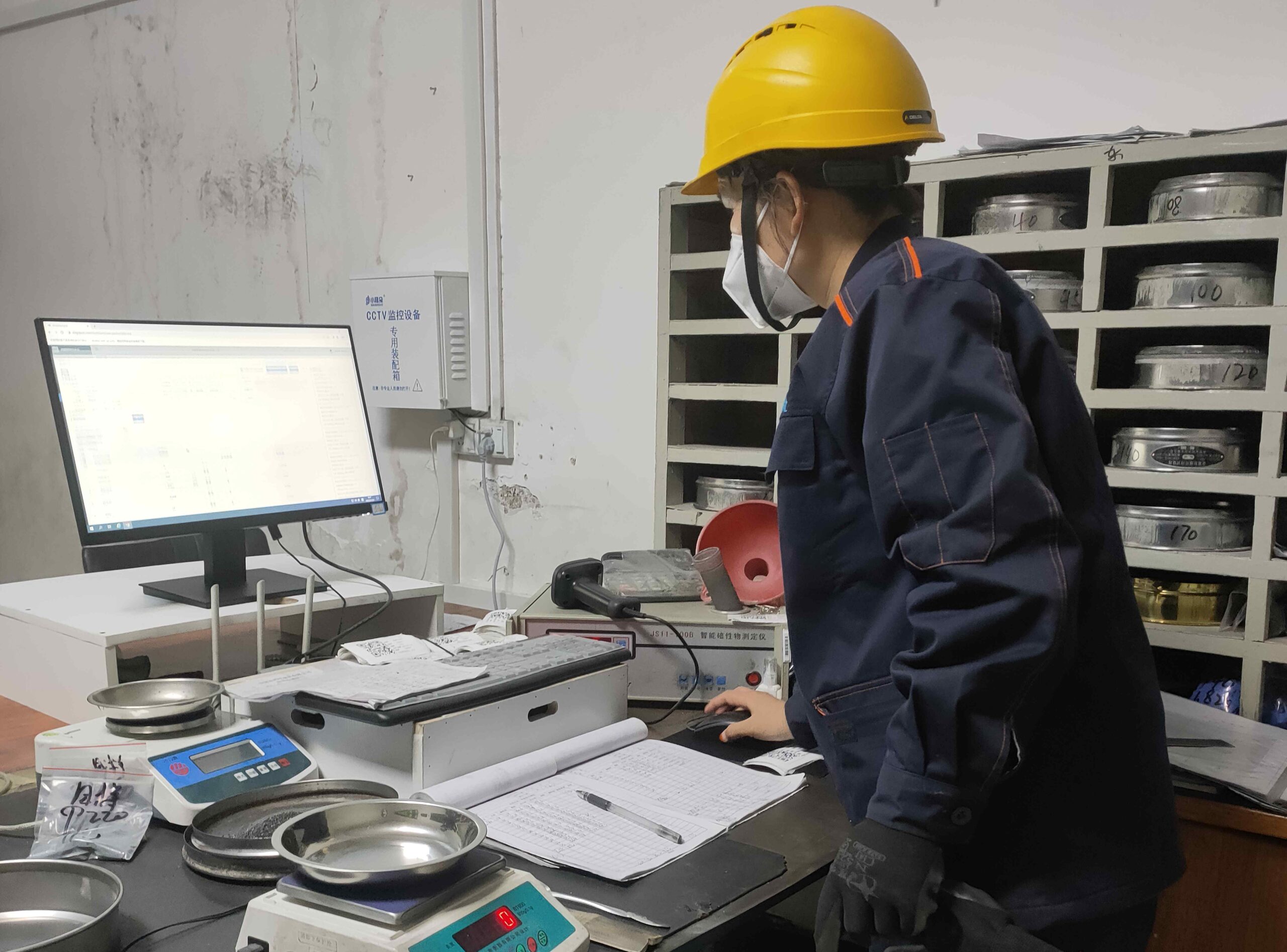
5️⃣ Quality Control Depth (Not Just a COA)
Many offers include a COA. Far fewer include true process-level quality control.
Cost increases when suppliers:
- track batch-to-batch deviation
- control magnetic content during processing
- reject borderline material instead of shipping it
This is where low-price suppliers most often cut corners.
👉 Quality discipline has a cost—but the lack of it costs buyers more.

6️⃣ Batch Consistency & Supply Discipline
One-off shipments are cheaper.
Long-term consistency is not.
Maintaining stable Black SiC over time requires:
- fixed processing routes
- disciplined inventory segregation
- controlled sourcing and scheduling
This adds cost—but prevents production instability for buyers.
Why Cheap Black SiC Often Becomes Expensive Later
From the buyer’s perspective, hidden costs usually appear as:
- higher grinding wheel rejection rates
- unstable grinding behavior
- frequent formula adjustments
- complaints from downstream customers
These costs are never reflected in the initial quotation.
How to Evaluate a Black SiC Price Correctly
Instead of asking:
“Why is your price higher?”
A more useful question is:
“What risks does this price include—or exclude?”
We recommend evaluating offers based on:
- process route, not just grit size
- batch stability, not a single COA
- application suitability, not generic specifications
Our Cost Philosophy for Black Silicon Carbide
Our pricing is not designed to be the lowest in the market.
It is designed to:
- reduce performance fluctuation
- support stable production
- minimize downstream risk
For many customers, this results in a lower total cost, even when the unit price is higher.
Is This Price Right for Your Application?
Not every application requires the same cost structure.
Before recommending a grit, we typically confirm:
- grinding wheel type
- bond system
- tolerance for performance variation
- cost sensitivity versus stability priority
👉 Paying the right price matters more than paying the lowest price.
Let’s Evaluate Your Cost — Not Just the Price
If you are comparing Black SiC offers and unsure why prices differ:
- share your grit size
- share your application
- share the issues you are facing
We can help you assess which cost structure truly fits your production, before you commit.