How to Choose the Right Grit for Stable Grinding Results
Black Silicon Carbide (Black SiC) is one of the most widely used abrasives in grinding wheel production. On paper, it appears simple: same grit size, similar chemistry, same standard.
In real production, however, performance differences between Black SiC grades can be significant, even when the specification looks identical.
This page is written for buyers and technical teams who need predictable grinding performance, not just a compliant COA.
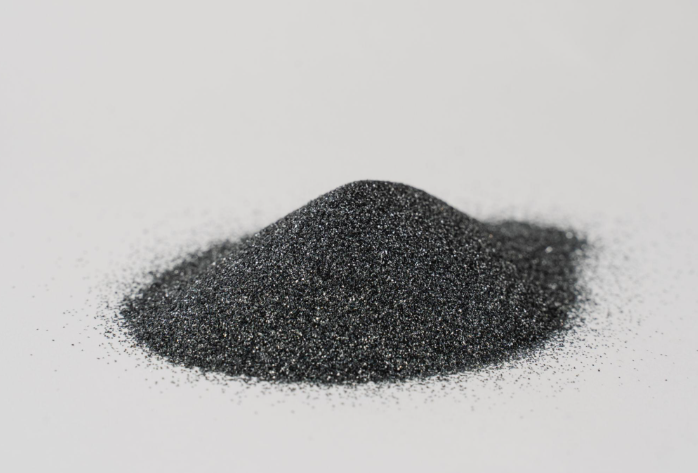
Why “Same Grit” Black SiC Performs Differently
Many buyers assume that if the grit size and chemistry meet standards, performance should be similar.
That assumption often leads to problems.
In grinding applications, Black SiC performance is influenced not only by how the grade is labeled, but by how the grade is actually produced and controlled.
The most common causes of performance variation include:
- uneven particle shape
- excessive fines or weak grains
- unstable batch-to-batch behavior
- mismatch between grade and bond system
Understanding grades correctly is the first step to avoiding these issues.
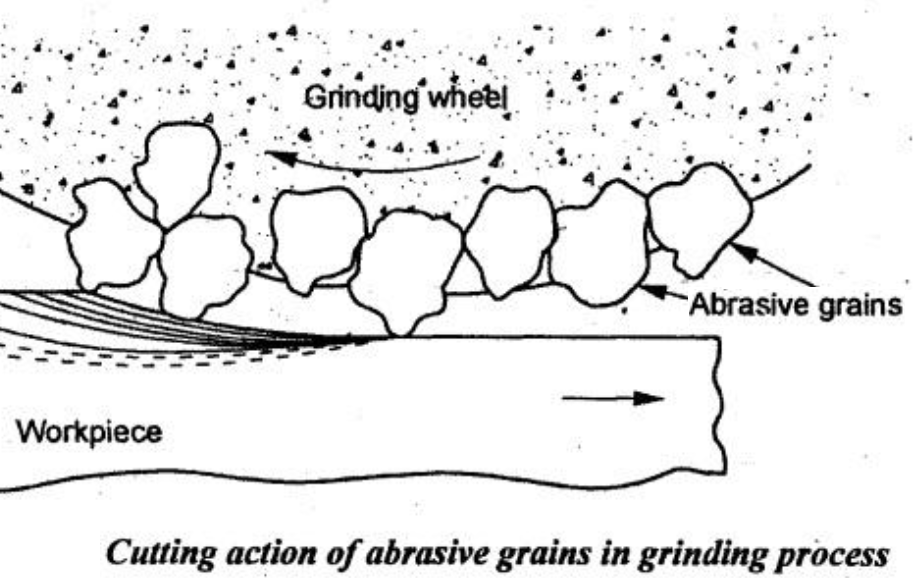
Understanding Black SiC Grits Beyond the Grit Number
1️⃣ Grit Size Is Only the Starting Point
Common grinding wheel grits include:
- F24 / F36 / F46 / F60 / F80 / F100
- F120 / F150 / F180 / F220
While grit size defines the nominal particle range, it does not describe:
- particle strength
- grain shape distribution
- fines ratio
- consistency across lots
Two F46 materials can behave very differently in the same grinding wheel.
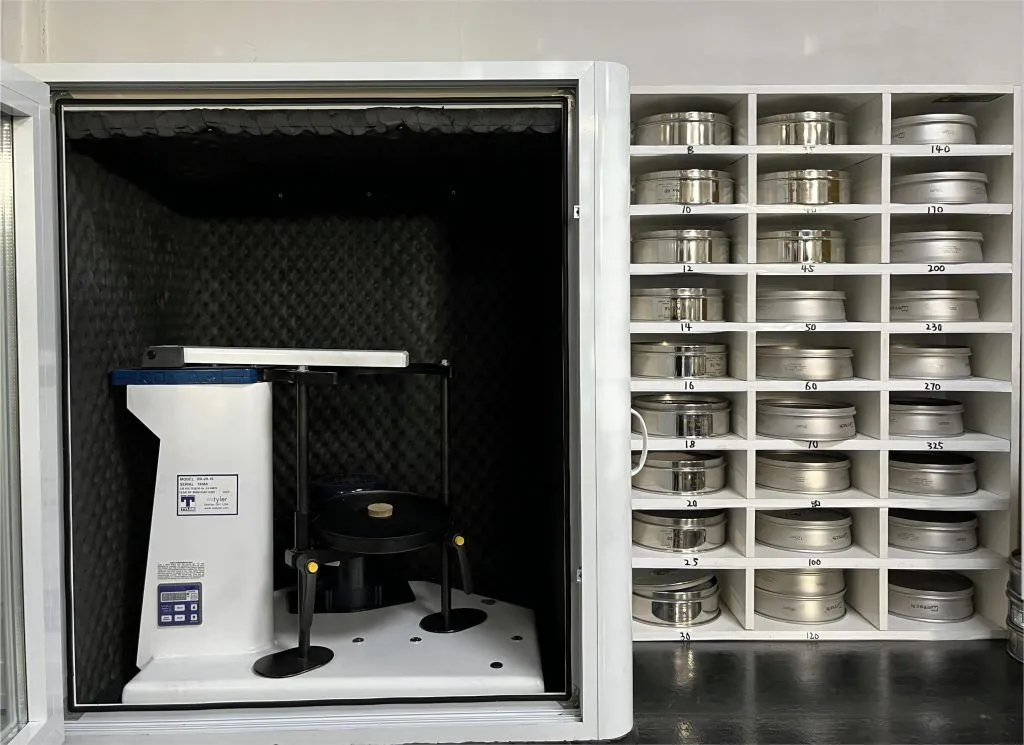
2️⃣ Particle Shape & Cutting Behavior
Black SiC grains are naturally sharp, but shape uniformity matters.
- Well-controlled grain shape leads to stable cutting and predictable wear
- Irregular or over-crushed grains lead to fast dulling and unstable grinding
In grinding wheels, this directly affects:
- cutting aggressiveness
- wheel life
- surface finish stability
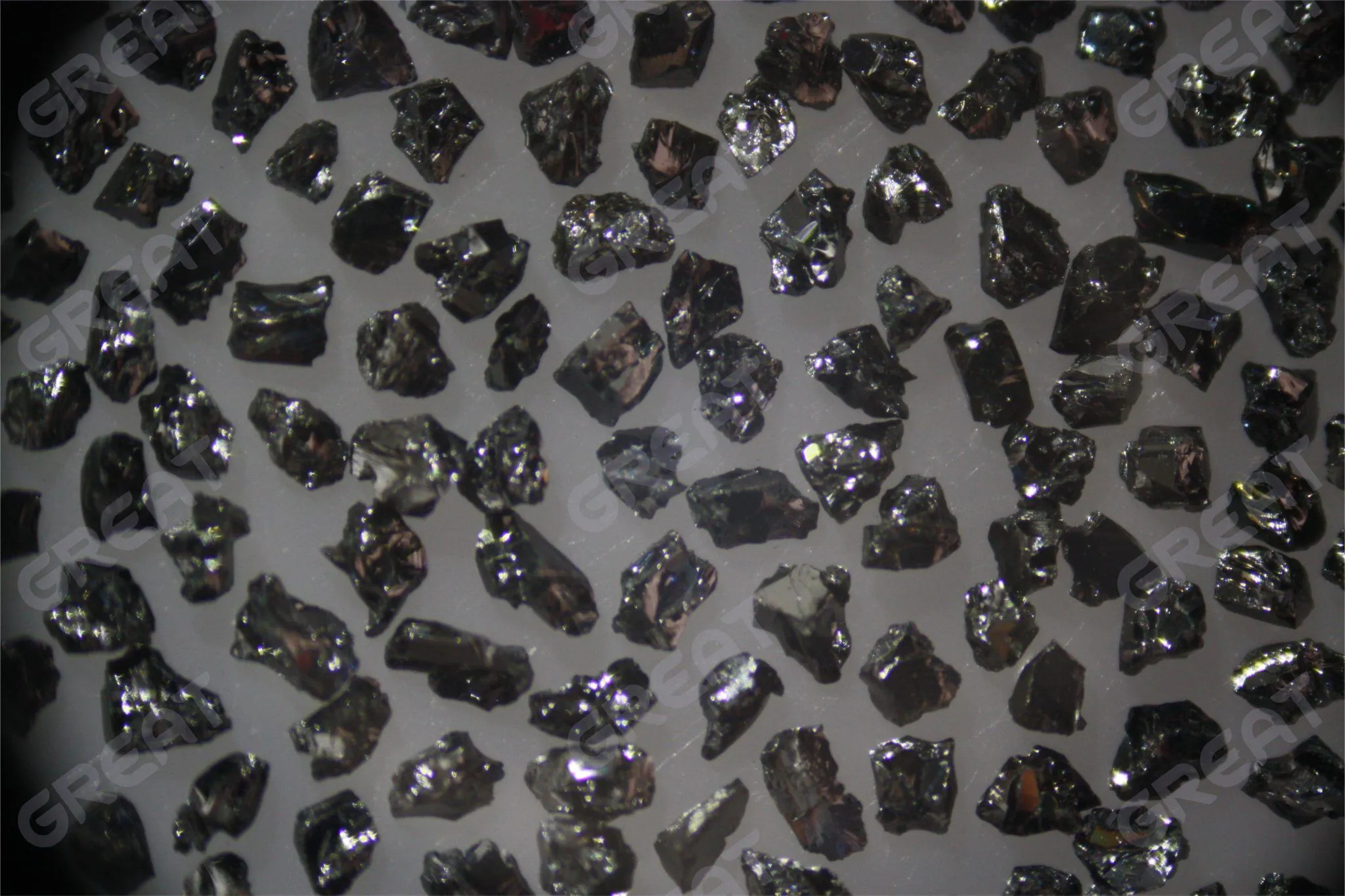
3️⃣ Grain Strength & Breakage Pattern
Not all Black SiC grains fracture in the same way.
- Strong, well-formed crystals show controlled micro-fracture
- Weak grains break down prematurely, reducing grinding efficiency
These differences are usually linked to:
- smelting stability
- crystal growth conditions
- crushing and milling methods
They cannot be judged from chemistry alone.
Key Performance Indicators for Grinding Applications
When selecting a Black SiC grit, experienced buyers focus on the following indicators.
Grit Size Distribution (Not Just the Average)
- narrow distribution means stable performance
- excessive fines lead to heat buildup and poor cutting
Bulk Density Stability
- reflects consistency in sieving and washing
- critical for formulation repeatability
Magnetic Content
- affects grinding stability and defect risk
- especially important for precision grinding wheels
Batch-to-Batch Consistency
- often more important than peak performance
- reduces production adjustments and scrap
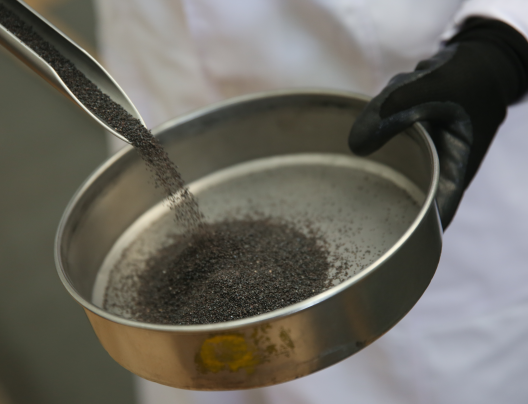
Typical Black SiC Grits and Where They Perform Best
Coarse Grits (F24 / F36)
- heavy stock removal
- rough grinding
- deburring applications
Key requirement: grain strength and toughness
Medium Grits (F46 / F60)
- general-purpose grinding wheels
- balance between cutting speed and wheel life
Key requirement: shape uniformity and stability
Fine Grits (F80 / F120 / F220)
- surface finish control
- reduced vibration
Key requirement: tight distribution and low fines
Common Performance Problems Buyers Face
In real production, buyers often report:
- grinding performance changes between lots
- unexpected wheel wear or glazing
- higher rejection rates without a clear cause
- frequent formula adjustments
In most cases, these issues are linked to:
grit selection that does not fully match the application, not to operator error.
How We Approach Grit Selection for Grinding Wheels
Our goal is not to sell a “universal” Black SiC grit.
Instead, we focus on:
- matching grain behavior to the bond system
- controlling key performance indicators at the process level
- maintaining long-term consistency across shipments
Before recommending a grit, we typically confirm:
- grit size range
- grinding wheel type
- performance priority (cutting, stability, or cost)
This approach helps buyers reduce risk before mass production.
Choosing the Right Grit Saves More Than It Costs
Selecting the correct Black SiC grit can:
- reduce wheel rejection
- stabilize grinding performance
- lower total manufacturing cost
Even when the unit price difference is small, the impact on production efficiency can be substantial.
Let’s Match the Grit to Your Application
If you are evaluating Black Silicon Carbide for grinding wheels, or facing performance inconsistency:
- tell us your grit size
- tell us your bond system
- tell us what problem you want to solve
We can help you determine which grit truly fits your application, before you commit to volume orders.