A Practical Guide for Abrasive Buyers and Surface Treatment Professionals
In the abrasive industry, particle consistency and purity determine the real performance of a blasting or grinding process.
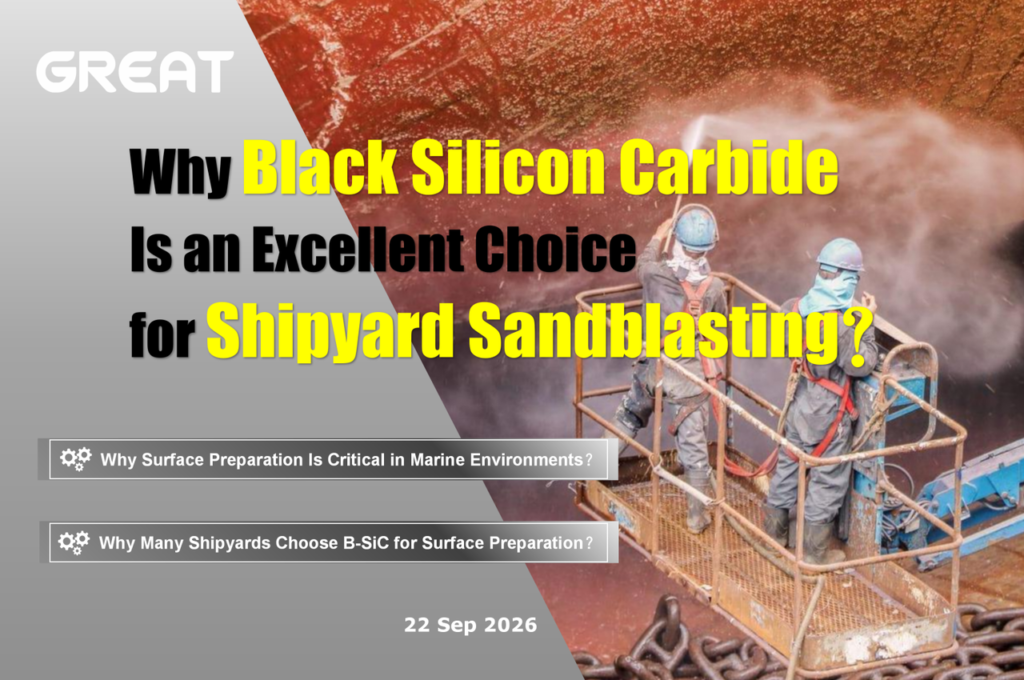
For procurement teams sourcing silicon carbide, 100 mesh black silicon carbide has become one of the most versatile grades for surface preparation, blasting, and grinding applications.
When the material is produced with reshape milling, acid washing, and water washing, the result is a grit with very low dust content, higher bulk density, and stable particle distribution.
That combination makes it highly suitable not only for sandblasting, but also for abrasive wheel manufacturing and precision surface treatment.
This guide explains what buyers should know about 100 mesh black silicon carbide, including its properties, production process, and typical industrial applications.
What Is 100 Mesh Black Silicon Carbide?
Black silicon carbide (SiC) is produced through the high-temperature smelting of quartz sand and petroleum coke in resistance furnaces.
The result is a hard and sharp crystalline abrasive widely used in grinding, blasting, and polishing.
After crushing and grading, the abrasive is further processed by:
- reshape milling
- acid washing
- water washing
This additional processing improves the grain geometry and cleanliness.
For industrial buyers, this means:
- lower dust generation during blasting
- higher bulk density
- more consistent performance in abrasive tools
The 100 mesh size represents a medium grit widely used for surface preparation and precision abrasive products.
Typical Physical Properties
For buyers evaluating abrasive materials, physical properties determine whether the material fits the intended application.
| Property | Value |
| Hardness | Mohs 9.2 |
| Specific Gravity | 3.2 – 3.45 g/cm³ |
| Bulk Density (LPD) | 1.2 – 1.6 g/cm³ |
| Melting Point | Dissociates at ~2300°C |
| Maximum Service Temperature | 1900°C |
| Thermal Conductivity | 71 – 130 W/mK |
| Elastic Modulus | 58 – 65 ×10⁶ psi |
| Thermal Expansion | 3.9 – 4.5 ×10⁻⁶ /°C |
| Particle Shape | Hexagonal |
These characteristics make silicon carbide one of the hardest synthetic abrasives used in industrial grinding.
For reference, additional material information can be found from
- The American Ceramic Society
- The FEPA abrasive standards.
Typical Chemical Composition
High purity silicon carbide provides better stability during grinding and blasting operations.
| Component | Content |
| SiC | ≥ 98% |
| SiO₂ | ≤ 0.3% |
| Fe₂O₃ | ≤ 0.3% |
| Free Carbon | ≤ 0.3% |
| Magnetic Content | ≤ 0.01% |
The low iron and magnetic content is particularly important for applications involving:
- stainless steel components
- electronic parts
- precision grinding wheels
Key Advantages of 100 Mesh Black Silicon Carbide
- High Purity Abrasive Performance
With SiC content up to 98%, the material maintains strong cutting ability and consistent grinding behavior.
That allows abrasive tool manufacturers to maintain stable performance batch after batch.
- Low Dust for Blasting Operations
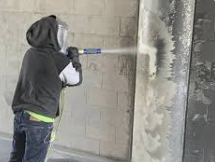
Dust generation is one of the main concerns during sandblasting.
The acid washing and water cleaning process removes fine impurities and residual powder.
For blasting operators, this results in:
- improved visibility during blasting
- cleaner working environments
- reduced equipment wear
- High Bulk Density
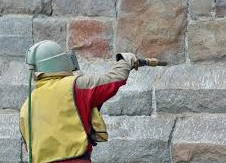
Higher bulk density improves:
- abrasive packing in grinding wheels
- tool stability
- cutting efficiency
This is particularly valuable for vitrified and resin bond grinding tools.
- Excellent Thermal Shock Resistance
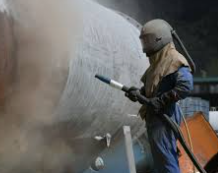
Silicon carbide has high thermal conductivity and low thermal expansion.
This allows abrasive tools made with SiC to perform well under high temperature grinding conditions.
Such characteristics are well documented in material databases such as the
ASM International.
How to Choose the Right Supplier
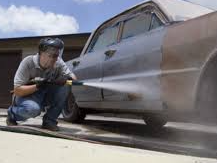
When sourcing silicon carbide abrasives internationally, experienced procurement teams typically evaluate:
- particle size distribution consistency
- magnetic content control
- chemical purity
- dust level
- batch-to-batch stability
Reliable suppliers should also provide:
- COA reports
- sample testing support
- stable production capacity
- consistent export packaging
These factors ensure the abrasive performs reliably during large-scale production.
Final Thoughts
100 mesh black silicon carbide remains one of the most versatile abrasives in the global market.
With its high hardness, excellent thermal stability, and strong cutting ability, it is widely used in:
- abrasive blasting
- grinding wheel manufacturing
- polishing tools
- ceramic surface treatment
For manufacturers and abrasive distributors, choosing high-purity and well-processed silicon carbide grit is key to achieving consistent production results.
If your company is sourcing black silicon carbide for sandblasting, grinding wheels, or polishing applications, working with a reliable manufacturer makes all the difference.
You can request:
- detailed specifications
- latest pricing
- free testing samples
- packaging options for your production line
Contact our team today and discover how stable silicon carbide supply can improve your abrasive production efficiency.